
Worlink
As the global automotive landscape evolves, electric car models emerge as key players in sustainable transportation. With growing concerns about climate change, more buyers are seeking eco-friendly options. Electric vehicle technology advances rapidly, promising enhanced performance and efficiency.
Various electric car models are now available, catering to different preferences and budgets. Buyers can choose from affordable hatchbacks to luxury sedans. Each option presents unique benefits and challenges. The range of electric vehicles keeps expanding, making it crucial to stay informed.
However, navigating this market can be overwhelming for consumers. There remains a need to reflect on personal needs, charging infrastructure, and total cost of ownership. It's essential to approach the selection of electric car models thoughtfully, ensuring choices align with lifestyle and sustainability goals.
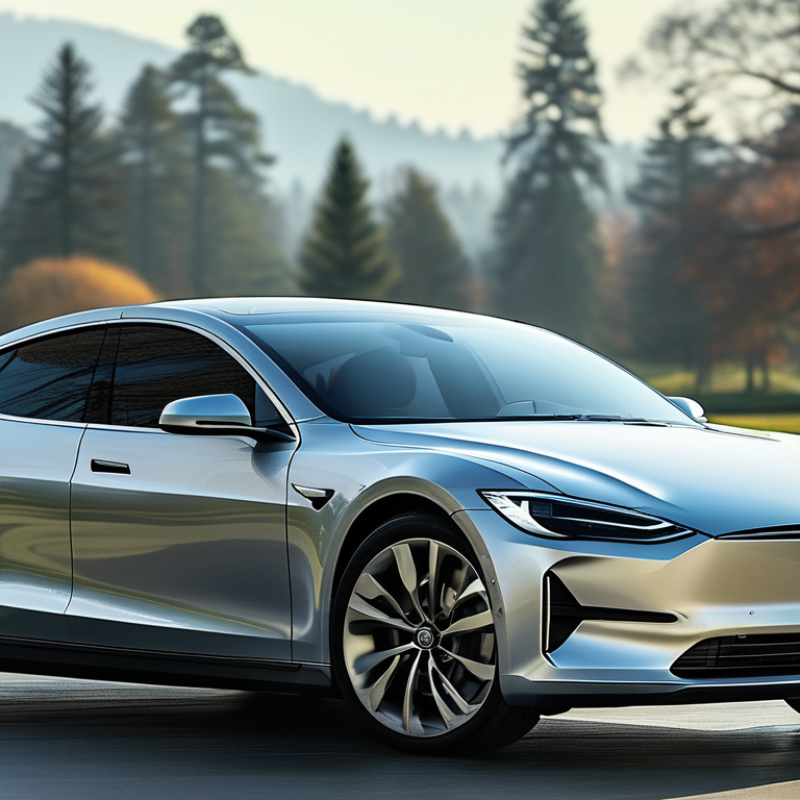
The electric car market is evolving rapidly around the globe. Many countries are pushing for stricter emissions regulations. This shift is driving innovation in electric vehicle technology. More manufacturers are investing heavily in research and development. This fuels a broader variety of models and price ranges.
Consumers are looking for vehicles that are not only efficient but also affordable. Range anxiety is still a concern for many buyers. However, battery technology is improving, offering longer distances between charges. Some models now exceed a range of 300 miles on a single charge. Charging infrastructure is also expanding. Cities are increasing the number of public charging stations.
While the market is growing, challenges persist. Many regions still lack adequate support for electric vehicles. Buyers may find it difficult to charge, especially in rural areas. Sustainability also raises questions. The production of batteries can lead to environmental issues. As interest in electric vehicles increases, so do these concerns. Addressing them will be crucial for a sustainable future.
When considering electric vehicles (EVs), several factors significantly influence buyers. Range anxiety remains a primary concern. Many potential owners worry about the distance an electric car can travel on a single charge. A practical understanding of daily driving needs can help alleviate this concern. Evaluating charging infrastructure is also crucial, as accessible charging stations make EV ownership more convenient.
Cost is another influential factor. While prices for EVs are gradually decreasing, upfront costs can still deter potential buyers. Understanding available incentives and tax benefits can make a significant difference in the overall price. Research shows that the total cost of ownership can be lower than traditional vehicles when considering savings on fuel and maintenance.
Before purchasing, buyers should consider their lifestyle. For instance, urban dwellers with limited parking may find compact models more suitable. On the other hand, families may prefer larger vehicles with more space. Awareness of these aspects can help in making a well-informed decision.
Explore various resources and forums to gain insights from current owners. Learning from others’ experiences can provide valuable information about real-world performance and satisfaction. Embracing a mindset of reflection on personal needs is critical. This approach ensures that the chosen model aligns perfectly with individual lifestyles.
The electric vehicle market is rapidly evolving. Key brands are leading the way with innovative designs and technology. A recent study indicates that EV sales are projected to reach over 30 million units by 2030. This reflects a significant increase in global demand.
Brands are focusing on expanding their offerings. They are investing heavily in research and development. According to industry reports, over $300 billion is being allocated towards electrification efforts. This funding supports advancements in battery technology and charging infrastructure.
Nevertheless, challenges remain. Range anxiety is still a concern for many potential buyers. Additionally, the availability of charging stations varies significantly by region. This inconsistency can impact consumer confidence. Even with these hurdles, leading brands are committing to sustainability. They strive to build a more reliable and accessible electric future.
| Model | Range (miles) | Charging Time (hours) | Price (USD) | Seating Capacity |
|---|---|---|---|---|
| Model A | 350 | 1.5 | 35,000 | 5 |
| Model B | 400 | 2.0 | 45,000 | 5 |
| Model C | 300 | 1.0 | 25,000 | 4 |
| Model D | 500 | 1.8 | 55,000 | 7 |
| Model E | 320 | 1.2 | 30,000 | 5 |
The electric vehicle market is rapidly evolving, with various models offering diverse features to cater to global buyers. Many electric cars now come with impressive ranges, often exceeding 300 miles on a single charge. According to a recent industry report, around 70% of buyers prioritize range and charging speed. These factors significantly influence their purchasing decisions.
In terms of technology, some models boast advanced driver-assistance systems that enhance safety. A study highlighted that over 45% of consumers view these features as essential. Buyers appreciate real-time navigation and the integration of smart technology, with many vehicles now equipped with over-the-air updates. However, the complexity of these systems can overwhelm some users, indicating a need for simplicity in design.
Affordability is another crucial aspect. Data shows that the average price for electric cars has decreased by 20% over the last three years. Still, initial costs remain a barrier for many potential buyers. As competition grows, manufacturers need to keep the balance between innovative features and customer-friendly pricing. Overall, while the electric car landscape offers exciting options, challenges in user experience and affordability still require attention.
Electric vehicles (EVs) are evolving rapidly. Recent reports estimate that global EV sales will reach 30 million units by 2025. Advancements in battery technology are pivotal. For instance, solid-state batteries promise higher energy density and faster charging times. These innovations could redefine consumer expectations and driving range.
Another area of growth is autonomous driving features. According to industry analysts, over 75% of consumers would consider a vehicle with advanced safety features. This trend influences how manufacturers approach design and technology. The integration of AI and machine learning is not merely an enhancement; it's becoming a standard expectation. Yet, challenges remain. Issues like cybersecurity and regulatory compliance require ongoing attention.
Furthermore, the sustainability narrative is gaining traction. Studies indicate that environmentally conscious consumers are willing to pay a premium for eco-friendly vehicles. However, the lifecycle impact of electric vehicles still necessitates careful examination. From raw material extraction to battery disposal, the full environmental cost is complex and requires transparency.
: EV sales are projected to exceed 30 million units by 2030, showing increasing global demand.
Buyers prioritize range and charging speed, with around 70% listing these as key criteria.
The average price has decreased by 20% in the past three years, but initial costs can still be high.
Range anxiety and the availability of charging stations are significant concerns for many buyers.
Many models now feature advanced driver-assistance systems and regular over-the-air updates to enhance user experience.
Innovations like solid-state batteries and autonomous driving features are anticipated to reshape consumer expectations.
Yes, many environmentally conscious consumers are willing to pay more for eco-friendly vehicles.
Cybersecurity and regulatory compliance issues require ongoing attention and may complicate adoption.
While advanced features are valued, some users find complex systems overwhelming. Simplicity is needed.
The full lifecycle impact, from raw material extraction to battery disposal, necessitates careful examination and transparency.
The article provides a comprehensive overview of the global electric car market, highlighting significant trends and key factors influencing consumers' decisions to purchase electric car models. As the demand for sustainable transportation rises, various aspects such as charging infrastructure, government incentives, and environmental awareness are shaping buyer preferences.
Furthermore, it discusses the leading brands in the electric vehicle space and offers a comparison of popular electric car models, focusing on their features, performance, and user experience. Finally, the article delves into future innovations and predictions for electric vehicle technology, suggesting that the industry is poised for rapid development as advancements in battery technology and automation continue to evolve. Overall, understanding these dynamics is crucial for potential buyers looking to explore the best electric car models available in the market.
