
Worlink
As the automotive industry shifts towards sustainability, electric trucks are gaining significant traction. These vehicles promise lower emissions and reduced operating costs. Several manufacturers in China are leading this change, offering innovative electric trucks that cater to diverse needs.
Electric trucks from China come in various sizes and features. They are designed for both urban deliveries and long-haul transportation. These vehicles often boast impressive battery ranges and smart technology, but not all models perform equally. Some may lack durability or charging infrastructure support, prompting potential buyers to think critically.
With increasing global attention on electric trucks, quality control remains a concern. It's vital to research and evaluate each model thoroughly. Consider factors such as payload capacity, range, and service options. Making an informed decision requires weighing advantages against potential drawbacks.
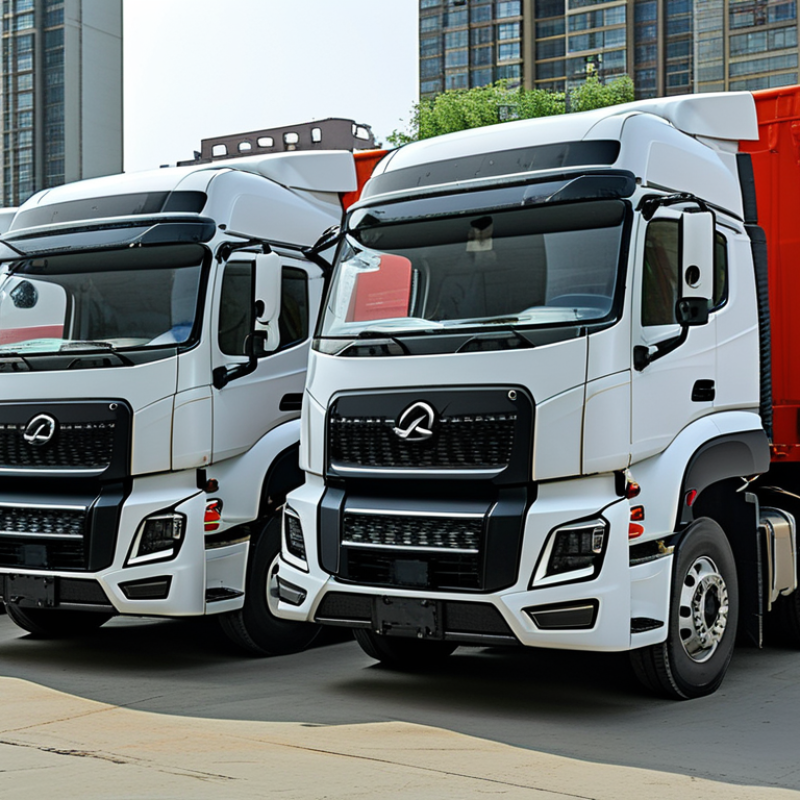
The electric truck market in China is rapidly expanding. By 2022, electric vehicle sales reached over 6 million units. Trucks made up a significant portion of this growth. Analysts predict that by 2025, electric truck sales will triple, driven by government incentives and industry demand.
Local manufacturers are focusing on performance and sustainability. Research shows that heavy-duty electric trucks can reduce emissions by as much as 90%. This shift not only helps to combat air pollution but also aligns with China's broader climate goals. With continued investment, production capacities for electric trucks are set to improve, potentially breaking the 200,000 units per year mark.
However, challenges remain. Charging infrastructure is still developing, and range anxiety affects consumer confidence. As the market evolves, addressing these issues will be crucial for broader acceptance. Progress is evident, but the path forward requires ongoing innovation and collaboration within the industry.
China's electric truck market is rapidly evolving. Major players are emerging, and their innovations are reshaping the industry. According to a recent report from the China Association of Automobile Manufacturers, sales of electric trucks in China jumped by 50% in the past year, highlighting the sector's growth potential.
Among the notable manufacturers, companies are investing heavily in research and development. This focus is aimed at improving battery technology and vehicle efficiency. Studies reveal that battery performance is crucial for operational sustainability. Furthermore, higher mileage and shorter charging times lead to enhanced productivity for logistics companies.
To stay competitive, consider these insights. Evaluate the total cost of ownership for electric trucks, including maintenance and energy expenses. Also, keep an eye on government policies supporting green initiatives. Incentives may reduce initial investments significantly. The industry's landscape continues to shift, and it's essential to adapt accordingly. Embrace the change and be prepared for further advancements in electric vehicle technology.
Chinese electric trucks are making significant strides in innovation and technology. Many models now come equipped with advanced battery systems that enhance efficiency. For instance, data from a recent industry report indicates that the average range of new electric trucks has improved by over 30% in the past year. This enhancement allows for longer hauls without frequent recharging, catering to the needs of logistics companies.
The integration of AI and IoT is also reshaping the landscape of electric trucks. Smart features, such as real-time monitoring and predictive maintenance, are now standard. These technologies not only increase operational efficiency but also reduce downtime. Reports show that trucks with smart technology can achieve a 15% reduction in maintenance costs, highlighting the economic benefits for fleet operators.
Consider evaluating the warranty and service options when choosing an electric truck. A robust support system is essential for maximizing the vehicle’s lifespan and utility. Additionally, keep an eye on charging infrastructure developments in your area to ensure compatibility with your new truck. Electric trucks from China are rapidly evolving, promising to offer practical solutions for modern transportation needs.
The electric truck market in China is thriving. Several models stand out due to their unique features and practical applications. Each truck offers a different range, charging capability, and cargo capacity.
One popular model boasts an impressive mileage on a single charge, reaching over 300 kilometers. Its advanced regenerative braking system maximizes energy efficiency. However, some users report longer charging times, which can be a concern for businesses needing quick turnaround. Another model prioritizes payload, handling heavy loads with ease while maintaining stability. Yet, its weight might limit battery range, leading to trade-offs that buyers should consider.
The variability in technology also raises important questions. For instance, while some trucks incorporate smart technology for navigation, others may lack such features. This can affect user experience, particularly for those unfamiliar with electric vehicle systems. As the market grows, it is crucial for potential buyers to assess these trade-offs thoroughly and reflect on their operational needs.
The electric truck sector in China is evolving rapidly, driven by innovation and a commitment to sustainability. Major cities are investing heavily in infrastructure to support electric vehicles. These changes include building more charging stations and enhancing battery technology. Manufacturers are focusing on reducing the weight of electric trucks to increase range and efficiency.
As we look to the future, autonomous driving technology plays a key role in electric trucks. This could improve safety and reduce costs for logistics companies. The integration of AI in fleet management systems enhances route optimization and energy savings. However, companies must be cautious. Regulatory challenges and varying consumer acceptance may slow down widespread adoption.
When considering an electric truck, think about battery life and charging options first. Assess how these trucks can align with your operational needs. Future trends indicate a shift towards smart features, so stay updated on technological advancements. Effective planning will help navigate this evolving market. Explore educational resources to gain insights into electric truck capabilities and limitations. This will ensure informed decisions in a dynamic landscape.
| Truck Model | Payload Capacity (kg) | Range (km) | Battery Capacity (kWh) | Charging Time (hrs) |
|---|---|---|---|---|
| Electric Truck A | 2000 | 300 | 150 | 2 |
| Electric Truck B | 3000 | 350 | 200 | 2.5 |
| Electric Truck C | 1500 | 250 | 100 | 1.5 |
| Electric Truck D | 2500 | 400 | 180 | 2 |
: The electric truck market in China is growing rapidly. Sales reached over 6 million units in 2022.
Analysts predict that electric truck sales will triple by 2025 due to incentives and rising demand.
Heavy-duty electric trucks can cut emissions by up to 90%. This helps in fighting air pollution.
Some challenges include developing charging infrastructure and consumer concerns about range anxiety.
Average ranges of new electric trucks improved by over 30% recently, allowing longer trips without charging.
Smart features like real-time monitoring and AI are standard. They enhance efficiency and reduce downtime.
Trucks with smart technology can achieve a 15% reduction in maintenance costs, benefiting fleet operators.
Evaluate warranty and service options to maximize utility and lifespan of the vehicle.
Adequate charging infrastructure ensures compatibility and helps alleviate concerns about range.
Ongoing innovation and collaboration are needed to tackle existing challenges in the market.
The electric truck market in China is rapidly expanding, driven by innovative technologies and rising demand for sustainable transport solutions. Key players in the industry are investing heavily in research and development, leading to significant advancements in battery efficiency and vehicle design. This has resulted in a diverse array of electric trucks, each offering unique features tailored to different operational needs.
As we compare popular electric truck models currently available in China, it's clear that they are designed to meet the increasing demands for zero-emission commercial transport. Looking ahead, the future of electric trucks in China appears promising, with trends pointing towards enhanced automation, improved infrastructure, and broader adoption in both urban and rural areas. These developments will not only transform the logistics industry but also contribute to the nation's long-term sustainability goals.