
Worlink Worlink

Best Ev Car Charger Options for Global Buyers in 2026?

Time:2026-04-13 Author:Oliver
0%

In 2026, the demand for EV car chargers is expected to surge globally. As electric vehicles become more prevalent, efficient charging solutions are essential. Jane Smith, a respected expert in the EV industry, emphasizes, “Choosing the right EV car charger can significantly enhance your electric vehicle experience.” This insight highlights the importance of selecting suitable charging options.

The variety of EV car charger options can be overwhelming. Buyers must consider features like charging speed, compatibility, and installation costs. Many brands now offer fast chargers that can deliver significant power in short periods. Buyers should also reflect on their charging habits and needs. This can help navigate the many choices available in the market.

Moreover, geographical differences play a crucial role in charger availability. Some regions may have more reliable models than others. As buyers evaluate options, it’s vital to balance preference with practicality. The best EV car charger for one person might not suit another, leading to a more thoughtful selection process.
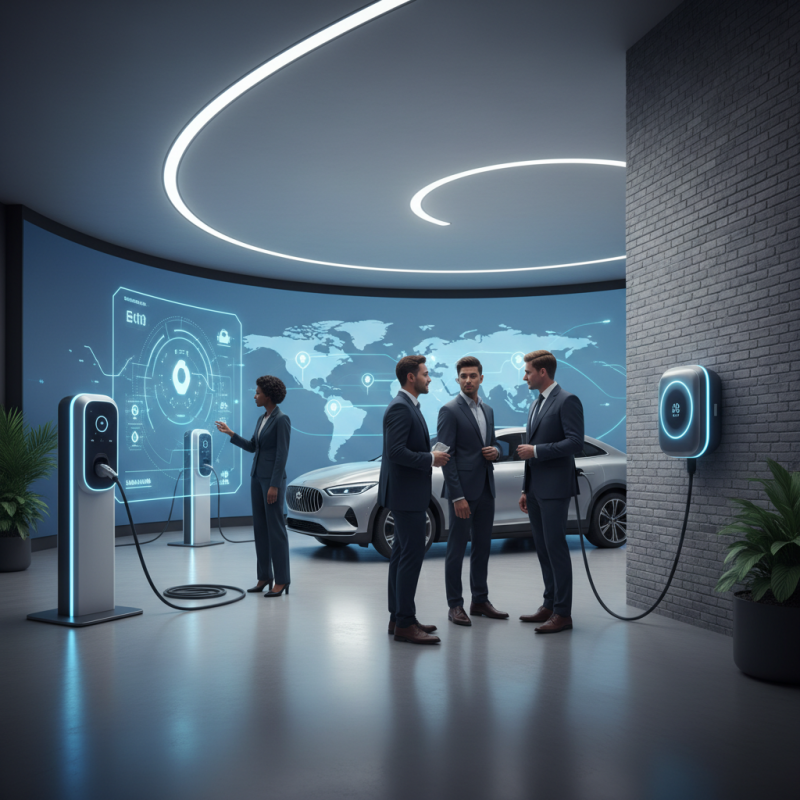
Best Ev Car Charger Options for Global Buyers in 2026?

Best EV Car Charger Technologies to Watch in 2026

As electric vehicle (EV) adoption accelerates, charger technologies are evolving rapidly. By 2026, major innovations will enhance user convenience. One notable advancement is the move toward ultra-fast charging solutions. Reports indicate that ultra-fast chargers can deliver up to 300 kW of power. This significantly reduces charging times to under 15 minutes for many EV models. Many buyers prefer this speed. Waiting too long for a charge can be frustrating.

Wireless charging also shows promise. This technology allows EVs to charge without physical connection. By using magnetic resonance, it offers a seamless experience. It’s still in its early stages, but projections indicate widespread availability by 2026. Furthermore, a recent study found that nearly 30% of potential EV buyers would choose a wireless option if available. However, the technology faces challenges. Issues like efficiency, installation costs, and infrastructure development remain crucial factors.

Vehicle-to-grid (V2G) technology is another trend to watch. This allows EVs to feed energy back into the grid, promoting sustainability. A report from leading energy researchers highlights a potential market growth of 20% by 2026. Yet, integration into existing power systems is complex. Not all cities are prepared for this shift. Overall, while these technologies hold great promise, considerations around implementation and user acceptance will shape their success.

Top EV Charger Brands for Global Markets in 2026

As the electric vehicle (EV) market expands globally, so does the need for efficient charging solutions. Various brands are emerging, each offering unique features tailored to different consumer demands. High charging speeds and smart technology integration are major selling points. Some brands prioritize user-friendly interfaces, making them ideal for tech-savvy drivers. Meanwhile, others focus on affordability, appealing to those who are budget-conscious.

The evolution of EV chargers reflects changing consumer needs. Many products now include mobile apps for monitoring charging sessions. This enhances user control and promotes energy savings. However, the rapidly changing technology can be confusing. Buyers often find it challenging to choose the right charger for their specific vehicle model. While most chargers work universally, compatibility issues can arise, necessitating careful consideration.

Sustainability is at the forefront of the EV revolution. Many charger brands are adopting environmentally friendly practices. From recyclable materials to energy-efficient designs, these choices reflect a commitment to reducing carbon footprints. Still, the transition to greener solutions requires ongoing education for consumers. Ensuring reliable charging infrastructure remains a challenge, but innovation continues to drive improvement in the marketplace.

Best Ev Car Charger Options for Global Buyers in 2026

Charger Type Charging Speed Power Output (kW) Compatible EVs Price Range (USD) Warranty (Years)
Level 1 Charger Slow 1.4 - 1.9 Most Electric Cars 300 - 600 1 - 2
Level 2 Charger Moderate 3.3 - 22 Most Electric Cars 400 - 1,000 2 - 5
DC Fast Charger Fast 50 - 350 Select Models 10,000 - 50,000 3 - 7
Home Charging Station Moderate to Fast 7 - 22 Most Electric Cars 500 - 1,500 2 - 5
Portable Charger Varies 1.2 - 3.6 Most Electric Cars 200 - 800 1 - 3

Key Features to Consider When Buying an EV Charger

When looking for the best EV car charger options in 2026, several key features stand out. Firstly, charging speed is crucial. Most modern EV chargers range from 3.7 kW to 22 kW. Fast chargers often reduce charging time significantly. Research shows that charging at home can cut expenses. Typical home charging costs about 13% less than using public stations.

Compatibility is another important factor. Ensure the charger works with various EV models. The market now includes adapters that accommodate different connection types. Keeping your home and public charging options versatile can save important time.

Tips: Consider installing a charger that offers Wi-Fi connectivity. Real-time updates increase user interaction and convenience. Also, pay attention to warranty details. A solid warranty reflects the manufacturer’s confidence in their product. Do not overlook the installation costs, which can vary greatly. Reflect on your daily driving habits. This can guide your charger capacity needs effectively.

Charging Infrastructure Trends Affecting Global EV Buyers

As electric vehicles (EVs) gain popularity, the charging infrastructure is evolving rapidly. Global buyers in 2026 will face a diverse landscape of charging options. Cities are expanding their charging networks. There is also a rising trend towards fast-charging stations. However, not every location will have uniform access.

Buying an EV charger can seem overwhelming. Buyers need to consider their local infrastructure. In some regions, home charging may still be the best option. But what if you live in an apartment? Many urban dwellers face this challenge. Always check local initiatives for EV support.

Tips: Research local incentives. Many governments offer rebates for installing chargers. Choose smart chargers that can communicate with your vehicle. Ensure compatibility with different EV models. As charging technology improves, stay updated on new advancements. Knowing your options can simplify decision-making.

Cost Analysis of EV Chargers in Different Regions Worldwide

As electric vehicle (EV) adoption increases, knowing the cost of EV chargers globally becomes crucial for buyers. In regions like North America and Europe, prices can vary significantly. The average cost for a home charging station can range from $500 to $1,200. Installation fees add another $300 to $1,000, based on the electrical infrastructure. Buyers should also consider potential government incentives that can reduce overall expenses.

In Asia-Pacific, the situation is different. Prices for chargers often start at a lower base, around $300. However, installation costs can be higher in urban areas due to regulatory requirements. Public charging stations here are pivotal and can charge fees that fluctuate widely depending on demand. A growing number of cities are implementing pay-per-use models for these stations.

Cultural attitudes toward EVs also influence costs. In regions with increased EV adoption, higher prices for chargers may be offset by growing availability and competition. However, in areas lagging in EV infrastructure, consumers might face limited choices. It's necessary to remain aware of these factors when planning to purchase an EV charger.

Best EV Car Charger Options for Global Buyers in 2026

FAQS

: What is ultra-fast charging for EVs?

: Ultra-fast charging delivers up to 300 kW of power. This can charge many EVs in under 15 minutes. Fast charging reduces wait times.

How does wireless charging work for EVs?

Wireless charging uses magnetic resonance. This allows EVs to charge without direct connection. It offers convenience but has some technical challenges.

What is vehicle-to-grid (V2G) technology?

V2G enables EVs to send energy back to the grid. This supports sustainability efforts. However, integrating it with existing systems is complex.

Are there many choices for EV chargers?

Yes, various options exist globally. Some chargers emphasize speed, while others focus on affordability. Choose based on personal needs.

What challenges do buyers face when selecting chargers?

Many buyers find compatibility confusing. Not all chargers work equally with every vehicle. Researching models is essential to avoid issues.

How can I charge my EV if I live in an apartment?

Explore local charging initiatives. Home charging may not be an option, so research public charging locations. Urban options can vary significantly.

What should I consider when buying a charger?

Evaluate local infrastructure and incentives. Smart chargers are preferable for better efficiency. Research all available features for your vehicle.

Why is sustainability important in EV charging?

Sustainable practices can reduce carbon footprints. Many charger models are designed with recyclability and energy efficiency in mind.

How can government initiatives assist EV buyers?

Governments often provide rebates for charger installations. Checking local incentives can lead to significant savings.

How can I stay updated on charging technology advancements?

Follow news about EV technology. Understanding new advancements can help make better purchasing decisions. Keeping informed is key to simplifying the process.

Conclusion

As electric vehicles (EVs) continue to gain popularity worldwide, selecting the right EV car charger becomes increasingly critical for buyers in 2026. This article explores the best technologies on the market, highlighting advancements that enhance charging efficiency and user experience. It also examines key features to consider, such as charging speed, compatibility with various EV models, and smart technology integration to facilitate a more convenient charging process.

Additionally, the article discusses the evolving charging infrastructure trends that are shaping the decisions of global EV buyers, including the expansion of charging networks and government incentives promoting EV adoption. A cost analysis offers insights into how prices for EV car chargers vary across different regions, helping consumers make informed purchasing choices. Ultimately, understanding these factors is essential for buyers looking to support their electric vehicle journeys.

Oliver

Oliver

Oliver is a seasoned marketing professional with a wealth of expertise in driving brand awareness and engagement. With a deep understanding of our company's product offerings, he consistently delivers high-quality content that enriches our professional blog. His insights not only shed light on......