
Worlink
The rise of eco-friendly transportation has made electric cars second hand a valuable option. Many buyers seek affordability without sacrificing quality. Purchasing a used electric vehicle can save significant money while helping the environment. However, it's essential to choose wisely and understand the market.
In 2026, the electric car market is set to expand further. This growth means more second-hand options are available. But not all used electric cars are the same. Buyers need to consider battery health, charging history, and overall condition. Some models age gracefully, while others may pose reliability issues. Researching these factors can lead to a satisfying purchase.
Electric cars second hand are increasingly popular, but potential buyers must remain vigilant. Take the time to inspect each car thoroughly. Look for signs of wear or any technical problems. Don't hesitate to ask questions. Gaining insight from other owners can provide valuable information. Exploring these considerations ensures a smart and informed decision in today's evolving automotive landscape.
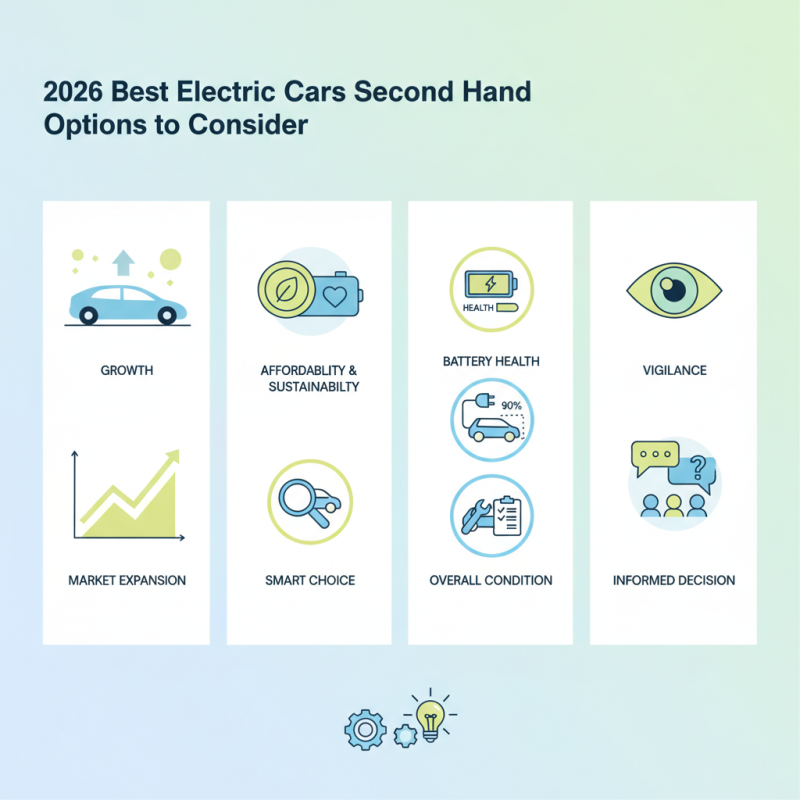
When considering a second-hand electric car, there are several important factors to keep in mind. Battery health is a major concern. Check the battery's capacity and performance during a test drive. A worn-out battery can significantly impact range and efficiency. Look for vehicles that come with documentation about battery usage and condition.
Another key aspect is mileage. High mileage can indicate excessive wear, even with an electric vehicle. Aim for models that have not been driven excessively. Additionally, consider the car's maintenance history. A well-maintained electric car can offer better reliability. Some owners might skip essential services, leading to potential issues later.
Also, examine the vehicle's technology features. As technology evolves rapidly, older models may lack updates that enhance performance. Focus on options that have received software upgrades. Availability of charging infrastructure is vital too. Ensure you have accessible charging stations in your area. This can influence everyday usability and convenience. Each of these elements contributes to the overall reliability of a second-hand electric car.
The shift towards electric vehicles is gaining momentum. As we look to 2026, several models from 2022 stand out. These cars combine efficiency with modern technology. They often feature impressive ranges and advanced safety systems. When buying second-hand, thorough research on battery health is vital.
Models from 2022 often include features that enhance the driving experience. Things like adaptive cruise control and seamless infotainment systems are common. However, not all used electric cars are created equal. Some may have outdated software or limited charging options. Prospective buyers should inspect battery status and overall condition closely.
Additionally, the availability of charging infrastructure is not uniform everywhere. Check local resources to ensure convenient access. This factor significantly impacts the ownership experience. Otherwise, even a great deal can lead to frustration. Balancing range and features with the car’s age and condition is crucial. Thoughtful consideration will ensure a smarter purchase in this evolving market.
When considering second-hand electric vehicles (EVs), battery life and performance stand out as critical factors. The battery is the heart of any EV, and its condition can significantly affect driving range. A well-maintained battery can retain up to 70-80% of its original capacity after several years. However, it's crucial to investigate each vehicle's specific battery history. Some models may suffer from faster degradation due to poor thermal management.
You should also evaluate the performance metrics of used electric cars. Test-driving is essential to gauge how the vehicle handles in different conditions. Look for signs of reduced acceleration or unusual noises during operation. These could indicate underlying issues. Furthermore, ensure that the vehicle's software is updated. An out-of-date system can limit the car's efficiency and range. Focus on getting a detailed vehicle history report, as this can reveal any past battery replacements or repairs.
Battery age and usage patterns are vital too. An EV driven mainly in urban settings may have less wear on its battery compared to one used for long highway commutes. Understanding the charging habits of the previous owner can offer insight into potential battery health. Always ask for maintenance records to verify these details. Pay attention to warranty options available on the battery. A remaining warranty period can provide peace of mind for your purchase.
| Model | Year | Battery Capacity (kWh) | Range (miles) | Price ($) | Performance (0-60 mph) |
|---|---|---|---|---|---|
| Model A | 2021 | 75 | 263 | 30,000 | 5.3s |
| Model B | 2022 | 100 | 320 | 36,000 | 4.8s |
| Model C | 2020 | 85 | 270 | 28,000 | 5.5s |
| Model D | 2023 | 90 | 310 | 40,000 | 4.2s |
When considering the cost of electric cars, the price of second-hand options is often significantly lower than new models. New electric vehicles come with the latest technology and high price tags. But do they offer better value in the long run? Second-hand options may be more affordable upfront, yet can have hidden costs related to maintenance and battery life.
While buying used electric cars, it's essential to weigh the battery's condition. Replacement batteries can be expensive. Check the vehicle history and consider model reliability. Getting a thorough inspection is wise. This helps in avoiding surprises after purchase. Moreover, some second-hand models still offer great range and features at a fraction of the cost of new models.
Additionally, check potential state incentives. These might apply to new purchases but not to used cars. This factor can significantly affect the overall cost. In the end, weighing your options carefully can lead to a more informed decision. With research and careful consideration, second-hand electric cars can be a smart financial move.
When considering second-hand electric cars, understanding warranties and maintenance is crucial. Many used electric cars come with remaining manufacturer warranties. These warranties often cover significant components, like the battery and drivetrain. Be sure to verify the warranty status before purchasing. Some owners may not bother to transfer warranties, which could limit coverage.
Maintenance for electric vehicles differs from traditional cars. They generally require less frequent service. However, replacing a battery can be pricey. Inspect the battery health before purchase. Some dealerships provide battery health reports, which can reveal potential issues. It's advisable to check how many miles the car has driven as well.
Additionally, owner experiences vary widely. Some report excellent reliability, while others have faced unexpected repairs. Reading reviews from existing owners can be enlightening. It reveals real-world reliability and problems. Remember, a thorough inspection is recommended to avoid hidden issues.
This chart compares the battery range and average price of different popular used electric cars. The first dataset illustrates the battery range in miles, while the second dataset shows the average price in dollars. This data can help you in making an informed decision when considering second-hand electric cars.
: Battery life is crucial. A well-maintained battery can retain 70-80% capacity after a few years.
Investigate the vehicle's battery history and maintenance records. Look for signs of degradation.
Test-driving reveals performance. Unusual noises or slow acceleration could indicate issues.
Updated software ensures better efficiency and driving range. Check if the vehicle’s system is current.
Urban driving generally causes less wear than long highway trips. Investigate previous owners' charging habits.
Yes, used EVs often cost less upfront. However, consider hidden maintenance and battery replacement costs.
Hidden issues may arise post-purchase. Always get a thorough inspection to protect yourself.
A remaining battery warranty provides peace of mind and can save costs if issues arise.
Yes, some incentives apply only to new purchases. This can change the overall financial picture.
Absolutely! Many used models offer great features at lower costs. Evaluate their reliability carefully.
When considering Electric Cars Second Hand in 2026, several factors are essential for making an informed decision. Buyers should evaluate battery life and performance, as these critical components directly impact the vehicle's usability and longevity. Additionally, understanding the cost differences between new and second-hand electric vehicles can aid in determining the best financial option. It's also important to review warranties and maintenance agreements when purchasing used electric cars, as these can significantly affect the ownership experience.
In 2026, several top models from 2022 may still provide excellent value and performance as second-hand options. Shoppers should prioritize vehicles that demonstrate reliability and have positive reviews regarding their durability. An informed approach to these considerations will ensure that buyers select the best Electric Cars Second Hand while optimizing their investment.