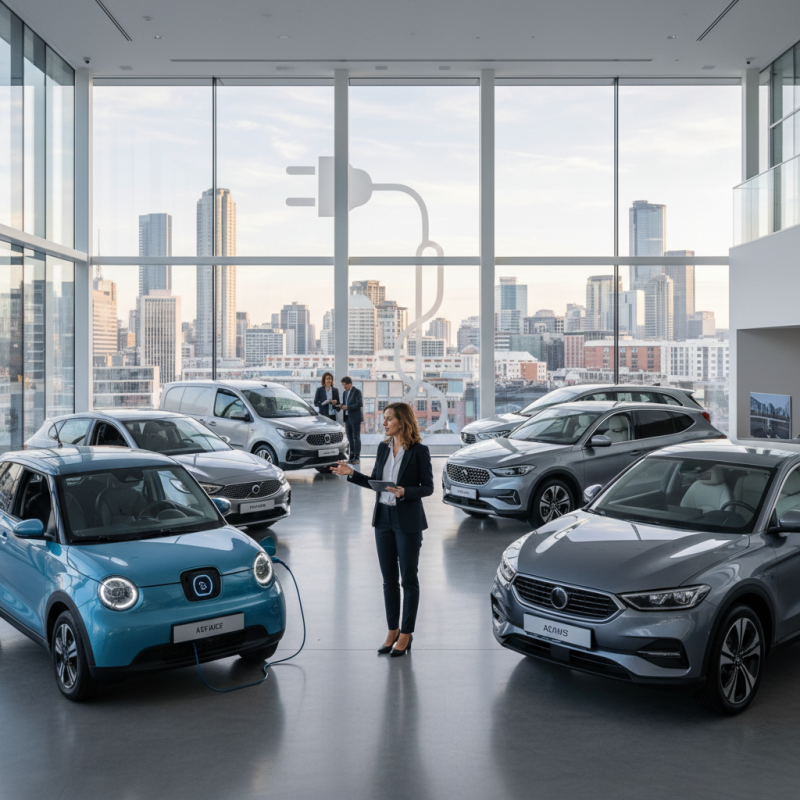
Choosing the right Auto Electric Vehicle (AEV) can feel overwhelming. As the market grows, different models offer varied features. Your needs will heavily influence your decision. Consider factors like range, charging time, and budget.
Many people focus solely on price. However, understanding the vehicle's maintenance needs is crucial too. An AEV might save you money on fuel but could have hidden costs. Research the brands and read user reviews.
Seek expert opinions on the latest models. This will enhance your knowledge and help clarify key differences between models. Remember, every choice has trade-offs. Identify what matters most to you. Balancing features against cost can lead to a satisfying purchase.
Understanding Your Driving Habits and Daily Requirements
When selecting an electric vehicle (EV), understanding your driving habits is crucial. Consider how often you commute and the distances involved. If your daily trips are short, a smaller battery may suffice. However, longer commutes will require more range. Evaluate your typical week. Do you often drive on weekends or take road trips? This reflection will help structure your needs.
Daily requirements also play a vital role. Think about your charging capabilities. Do you have access to home charging? If you do, charging overnight can simplify your routine. On the other hand, if you rely on public charging, you must plan trips strategically. How convenient is it to find a charge station near your route?
Ultimately, it's about balancing convenience with your lifestyle. Assessing your needs may reveal surprising gaps. Sometimes, what seems like a perfect match may not meet your daily requirements. Researching real-world user experiences can provide insights. Use this knowledge to make a well-informed decision that suits your lifestyle.
How to Choose the Best Auto Electric Vehicle for Your Needs?
| Criteria |
Low Mileage (< 100 miles/day) |
Moderate Mileage (100-200 miles/day) |
High Mileage (> 200 miles/day) |
| Battery Range |
< 150 miles |
150-300 miles |
> 300 miles |
| Charging Options |
Home charging sufficient |
Home + Public charging |
Frequent public charging |
| Performance Needs |
Basic performance |
Good performance |
High performance |
| Budget |
$20,000 - $30,000 |
$30,000 - $50,000 |
$50,000+ |
| Preferred Features |
Basic tech |
Advanced tech |
Luxury features |
Analyzing Range and Battery Life of Electric Vehicles
When choosing an electric vehicle (EV), the range and battery life are key factors. A longer range allows more travel without frequent charging. Most people want a vehicle that can take them on a day trip without anxiety. Generally, a range of 200 miles is often considered a minimum for convenience. However, some models can exceed 300 miles. It's essential to consider your driving habits when evaluating these figures.
Battery life is another critical aspect. The longevity of an EV battery can significantly impact the overall experience. Most modern batteries last for about 8-15 years, but performance can degrade over time. Some factors affecting battery life include temperature and charging patterns. Regular fast charging may shorten a battery's lifespan. Users should assess how they plan to use their car and how the battery may evolve over time.
While many vehicles claim impressive ranges, achieving those figures can be tricky in real-world conditions. Weather, terrain, and driving style can all impact performance. It’s wise to read reviews and talk to current EV owners about their experiences. Real experiences can offer insights into potential limitations. Balancing range, battery life, and personal needs leads to informed decisions when selecting the right vehicle.
Range and Battery Life of Electric Vehicles
Evaluating Charging Options: Home, Public, and Fast Charging
When considering electric vehicles (EVs), charging options play a crucial role in your decision. Understanding your charging needs can save you time and enhance your driving experience. Research shows that 80% of EV users charge at home regularly. This offers unparalleled convenience. However, the adequacy of your home setup can be a limiting factor. Standard home outlets take longer, often requiring overnight charges.
Public charging stations are becoming increasingly available. According to the International Energy Agency, global public charging points exceeded 1.3 million in 2021. This expansion improves accessibility significantly. Fast chargers can refill 80% of an EV's battery in roughly 30 minutes. However, finding nearby public chargers can be hit or miss, especially in rural areas.
Fast charging, while rapid, may degrade battery health over time. Operators emphasize the need to balance fast charging with slower options for longevity. Relying solely on high-speed charging isn't ideal. Each charging method offers unique advantages and drawbacks. Assess your daily commute, driving habits, and local infrastructure carefully before making a decision. A well-rounded approach ensures you will not face unexpected challenges on the road.
Comparing Total Cost of Ownership for Electric Vehicle Models
When considering an electric vehicle (EV), understanding the total cost of ownership is crucial. This figure includes the purchase price, insurance, maintenance, and charging costs. While EV purchases may seem higher initially, they often save money over time. This is due to lower fuel costs and minimal maintenance needs. Knowing your local electricity rates can further clarify long-term savings.
Some EVs may offer state or federal incentives, which can significantly reduce upfront expenses. However, these incentives may change over time. Researching financing options is essential. Be aware that battery replacement costs are a potential long-term expense. While many batteries last a long time, planning for eventual replacement is wise.
Don't overlook resale value when calculating total ownership costs. Some models depreciate faster than others. Check market trends for values after three to five years. Additionally, remember charging infrastructure varies by location, which can affect convenience and costs. Your location will influence your decision. Assessing these factors helps in making an informed choice tailored to your needs.
Exploring Available Technology and Safety Features in EVs
When choosing an electric vehicle (EV), safety is paramount.
New technologies have transformed EV safety features. From advanced driver assistance systems to robust crash protection, these vehicles are designed to keep you safe. Look for models that offer automatic emergency braking and lane-keeping assist. These features can significantly reduce accident risks.
Consider battery technology as well. It plays a crucial role in both safety and performance. Solid-state batteries are emerging, promising better stability and longevity. However, many EVs still use traditional lithium-ion batteries, which may heat up during a crash. Researching battery safety ratings will help you make an informed choice.
Tips for selecting an EV: check for the latest safety ratings. Look into features like adaptive cruise control. Evaluate how often software updates roll out to enhance performance and safety. These factors may influence your decision. Remember, while newer models often boast more features, older models may offer value with proven safety records. Always balance feature sets with your specific needs.
FAQS
: Understanding your driving habits is crucial. Consider your daily commutes and distances involved.
A smaller battery may suffice for short trips. Evaluate your needs thoughtfully before making a choice.
Access to home charging can simplify your routine. Public charging requires strategic planning for trips.
A range of 200 miles is often seen as a minimum for convenience. Some models offer over 300 miles.
Most modern batteries last about 8-15 years. Performance may degrade over time due to various factors.
Weather, terrain, and driving style can impact efficiency. Achieving advertised ranges can be tricky.
It includes purchase price, insurance, maintenance, and charging costs. EVs may save money over time.
Some EVs offer state or federal incentives. These can reduce upfront expenses but vary over time.
Planning for eventual battery replacement is wise. Although they last long, it's a potential long-term expense.
Some models depreciate faster than others. Research market trends for values after three to five years.
Conclusion
When choosing the best Auto Electric Vehicle (EV) to suit your needs, it's essential to start by understanding your driving habits and daily requirements. Consider how far you typically drive, which helps in determining the appropriate range and battery life needed. Additionally, evaluating your charging options—whether at home, through public stations, or utilizing fast charging—can significantly impact your daily convenience and overall ownership experience.
Moreover, comparing the total cost of ownership across different EV models will provide insight into not only the purchase price but also maintenance, insurance, and potential savings on fuel. Finally, exploring the latest technology and safety features available in Auto Electric Vehicles will ensure you select a model that meets your comfort and safety standards while keeping you connected on the road.
 Worlink