 Worlink
Worlink
Worlink
Electric vehicles (EV cars) are pivotal in shaping a sustainable future. According to the International Energy Agency (IEA), electric cars could account for 30% of global car sales by 2030. This shift is driven by heightened environmental awareness and technological advancements. In 2021 alone, EV cars helped reduce CO2 emissions by approximately 50 million tons.
Despite the growing promise of EV cars, challenges persist. Infrastructure for charging is still developing. Many consumers express concerns regarding battery life and range. These factors can hinder widespread adoption. Yet, as more governments incentivize EV purchase, the landscape may rapidly change.
Transitioning to EV cars offers a viable pathway for reducing reliance on fossil fuels. Yet, it isn’t a complete solution. Careful reflection is needed on energy sources used for charging. The potential for cleaner transportation exists but must be approached with informed caution and ongoing evaluation.
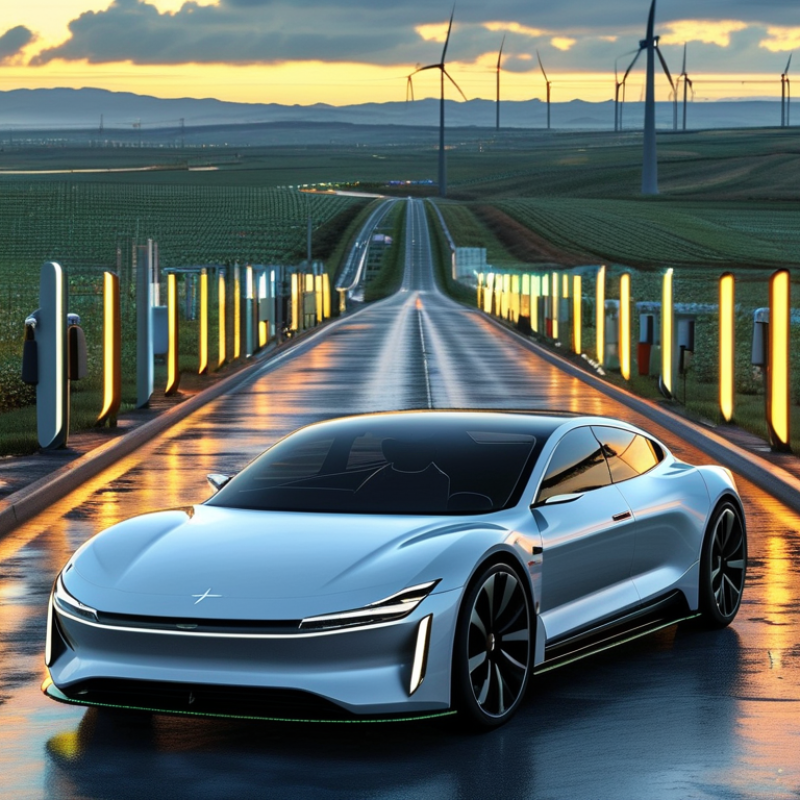
Electric vehicles (EVs) offer numerous advantages for sustainable transportation. According to the International Energy Agency, EVs can reduce greenhouse gas emissions by up to 70% compared to traditional gasoline cars. This significant reduction makes EVs an important player in the fight against climate change.
The efficiency of electric motors is another key benefit. They convert over 90% of electrical energy into movement, while internal combustion engines only convert about 20%. This means less energy is wasted. Moreover, the average cost of charging an EV is often lower than fueling a gas car, even though costs can vary by region. However, charging infrastructure development is still a challenge. Inadequate charging stations may hinder widespread adoption.
Battery technology is evolving. Solid-state batteries promise to enhance range and safety. Yet, recycling remains a concern. The lifecycle of lithium-ion batteries needs improvement to minimize environmental impacts. As the EV market grows, ongoing research and innovation are vital for addressing these complexities. By understanding these aspects, consumers can make informed choices in sustainable transportation.
| Benefits | Details |
|---|---|
| Lower Emissions | EVs produce zero tailpipe emissions, significantly reducing greenhouse gases. |
| Energy Efficiency | Electric vehicles convert over 60% of the electrical energy from the grid to power at the wheels. |
| Cost Savings | EVs have lower fuel costs and reduced maintenance expenses compared to traditional vehicles. |
| Renewable Energy Integration | EVs can be charged using renewable energy sources, further reducing their environmental impact. |
| Quiet Operation | Electric vehicles operate much quieter than gasoline vehicles, reducing noise pollution. |
| Technological Advancements | EVs are at the forefront of automotive technology, offering advanced features such as autonomous driving capabilities. |
: EVs can reduce greenhouse gas emissions by up to 70% compared to traditional cars, aiding in climate change efforts.
Electric motors convert over 90% of electrical energy into movement, while combustion engines convert only about 20%.
Yes, charging costs often tend to be lower than gas prices, though regional variations exist.
Inadequate charging infrastructure and uneven distribution especially in rural areas can hinder widespread adoption.
Battery production contributes to about 20% of an EV's lifetime emissions, raising sustainability concerns.
Charging EVs with fossil fuel-generated electricity can diminish their environmental advantages, highlighting the need for renewables.
Yes, over 1.5 million public charging points were installed globally, but challenges in investment remain in some areas.
Global investment in charging stations could reach $200 billion by 2030, improving EV ownership feasibility.
The lifecycle of lithium-ion batteries needs improvement due to environmental impacts associated with disposal and recycling.
Consumers should understand both the benefits and challenges, including charging infrastructure and battery sustainability issues.
Electric vehicles (EV cars) are increasingly recognized as a crucial component of sustainable transportation solutions. The benefits of these vehicles extend beyond just their zero-emission capabilities; they also have a significantly lower environmental impact compared to traditional combustion engine vehicles. EVs contribute to cleaner air and reduced greenhouse gas emissions, making them a vital player in combating climate change.
In addition to their environmental advantages, switching to electric cars presents notable economic benefits. The lower operating costs, government incentives, and advancements in charging infrastructure facilitate the widespread adoption of EV cars. As technology continues to evolve, innovations in battery efficiency and charging methods will enhance the sustainability of electric vehicles, making them an even more viable option for the future of transportation. Overall, embracing EV cars is not only a smart choice for individuals but also essential for promoting a healthier planet.
