Electric cars are revolutionizing the automotive industry. They promise a cleaner future and a reduced carbon footprint. However, choosing the right electric car can be challenging for global buyers. Each market has unique preferences and regulations that can complicate the decision.
When selecting the best electric cars, buyers must consider various factors. Range, charging infrastructure, and battery life play crucial roles. Features such as safety ratings, technology integration, and overall performance are also essential for informed choices. Not every electric car on the market meets the rigorous standards of reliability. Some models may look attractive but fall short on performance or safety.
Research and expert reviews can guide buyers toward trusted options. It's important to weigh personal needs against available models. Reflecting on your lifestyle and driving habits will support smarter decisions. Remember, the right choice today can impact sustainable transportation for years to come.
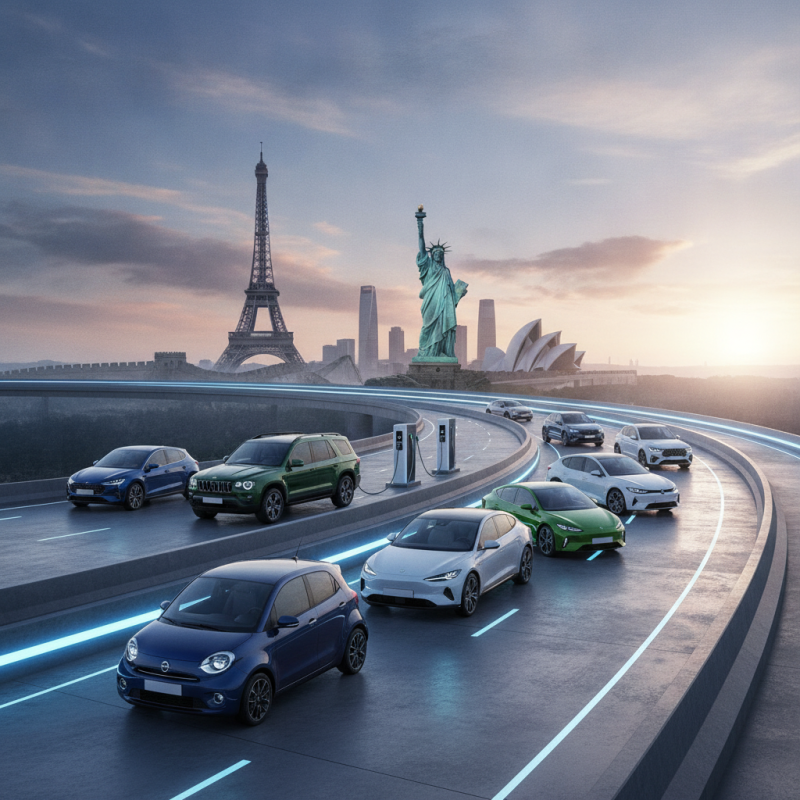
Factors to Consider When Choosing Electric Cars Globally
Choosing the right electric car requires careful consideration of various factors. One significant aspect is range. Buyers should assess how far they typically drive each day. Many electric cars offer sufficient range for daily commuting. However, some drivers may need a model that supports longer trips.
Charging infrastructure is another critical element. In some regions, charging stations are sparse, making it challenging to recharge on the go. Research local charging options before making a decision. A car’s charging speed also matters. Some electric cars can charge faster than others, which can be a game changer during long drives.
The cost of ownership can vary significantly. While electric cars appeal with their low running costs, purchasing them may require a larger initial investment. Buyers should factor in potential government incentives that can alleviate some expenses. Additionally, it's important to consider the car's resale value. Electric vehicles depreciate differently compared to traditional cars. Overall, prospective buyers need to weigh these factors against their personal driving habits and budget constraints.
Understanding Different Electric Vehicle Types and Technologies
Choosing the best electric car involves understanding various vehicle types and technologies. The electric vehicle (EV) market is diverse. Key categories include battery electric vehicles (BEVs), plug-in hybrid electric vehicles (PHEVs), and hydrogen fuel cell vehicles (FCVs). Each type offers unique benefits and limitations.
Battery electric vehicles rely solely on electric power. They produce zero tailpipe emissions, which is appealing for eco-conscious buyers. However, the range can be a concern for some consumers, especially in rural areas. PHEVs combine both electric and gasoline power. They offer flexibility, but depend on the availability of refueling options. FCVs are less common but promise fast refueling and long driving ranges. Still, hydrogen infrastructure is limited in many regions.
Understanding these vehicles requires consideration of your lifestyle. Range anxiety affects many buyers, particularly those who drive long distances. Be mindful of charging station availability in your area. Evaluating total cost of ownership is also crucial. Maintenance costs for EVs can be lower than traditional cars, but initial purchase prices may be higher. Each technology has its pros and cons, and reflecting on your needs is essential for making a decision.
Evaluating Range, Performance, and Charging Infrastructure
Choosing the best electric car requires careful consideration of range, performance, and charging infrastructure. Many reports indicate that range remains a top priority for buyers. According to a recent industry study, over 60% of consumers prefer electric cars with a range exceeding 300 miles. This benchmark allows them to drive without constant concern for recharging.
Performance must also be evaluated. Acceleration, handling, and ride comfort contribute significantly to the overall driving experience. Data shows that electric vehicles generally outperform traditional combustion engines in acceleration. However, some users report a lack of familiarity with electric vehicle handling. Understanding these nuances is essential for potential owners.
Charging infrastructure is critical for widespread adoption. A report by the International Energy Agency highlights that only 30% of global charging stations are fast chargers. This bottleneck can lead to longer wait times. Urban areas may have better access, yet rural locations often lack sufficient charging points. This exposes a significant gap in the experience of electric vehicle ownership. Understanding local charging options is vital when making informed decisions.
How to Choose the Best Electric Cars for Global Buyers? - Evaluating Range, Performance, and Charging Infrastructure
| Model |
Range (miles) |
0-60 mph (seconds) |
Top Speed (mph) |
Charging Type |
Charging Time (hours) |
| Electric Model A |
350 |
3.5 |
150 |
DC Fast Charging |
1.5 |
| Electric Model B |
300 |
4.0 |
140 |
AC Charging |
5.0 |
| Electric Model C |
250 |
5.5 |
130 |
Supercharger |
2.5 |
| Electric Model D |
400 |
3.2 |
160 |
DC Fast Charging |
1.0 |
Analyzing Pricing, Incentives, and Total Cost of Ownership
When selecting electric cars, understanding the total cost of ownership (TCO) is essential. A study by the International Council on Clean Transportation suggests that electric vehicles (EVs) often have lower lifetime costs compared to traditional vehicles. This is largely due to reduced fuel and maintenance expenses. For instance, electricity is generally cheaper than gasoline, leading to significant savings. Moreover, fewer moving parts in EVs may mean lower maintenance needs.
Incentives also play a critical role in the overall cost. Many governments offer tax breaks or rebates for EV purchases. According to a report from the U.S. Department of Energy, these incentives can reduce the initial purchase price by thousands of dollars. Furthermore, some regions provide additional benefits, such as access to carpool lanes or reduced registration fees. However, potential buyers should research local incentives. Not all areas provide equal benefits, which can impact long-term savings.
Pricing can vary widely among different models. The average cost of an electric vehicle in 2023 was approximately $60,000, according to data from Edmunds. However, entry-level models can start as low as $30,000. Buyers should consider their budgets and the range of features available. Balancing initial costs with the expected savings over time requires careful analysis. As electric vehicle technology continues to advance, staying informed on pricing trends will aid in making an informed decision.
Researching Brand Reputation and Customer Support for Electric Vehicles
When choosing an electric car, it’s essential to examine brand reputation and customer support. Many buyers overlook this crucial aspect. Researching how a brand is perceived in the market can lead to better decision-making. Look for brands that have a history of reliability and positive feedback. Check forums and consumer reviews. Real experiences are invaluable.
Customer support can make or break your ownership experience. A brand with responsive and knowledgeable customer service stands out. Consider how easy it is to get assistance when problems arise. Some brands excel in this area, while others leave much to be desired. An inconvenient support experience can lead to frustration and lost time.
Additionally, think about warranty options and maintenance availability. Some companies offer extensive warranty plans. These can provide peace of mind for buyers. However, not all brands are equally supportive in this area. It’s worth taking the time to investigate. Be aware of potential pitfalls in customer service. Make an informed choice for a more satisfying ownership experience.
FAQS
: Range is crucial. Many buyers prefer models with over 300 miles. This reduces recharging anxiety.
Charging infrastructure is vital. Sparse stations can hinder owners, especially in rural areas. Research local options.
Charging speed matters. Faster charging can save time during long trips. It's a significant factor for many buyers.
Electric cars can have lower lifetime costs. However, initial purchase prices may be high. Buyers should consider their budgets.
Incentives can greatly reduce costs. Tax breaks or rebates may save buyers thousands. Research local options for the best benefits.
Resale values vary for electric cars. They may depreciate differently than traditional vehicles. Consider this in your decision-making process.
Performance involves acceleration and handling. Some may find electric vehicles handle differently. Understanding this is key for new owners.
Not all vehicles are alike. EVs generally require less maintenance due to fewer moving parts. However, some might still encounter issues.
Yes, there are entry-level models starting around $30,000. However, consider features and long-term savings when evaluating options.
Availability varies by region. Urban areas often have better access, while rural areas may lack sufficient charging points. Plan your routes accordingly.
Conclusion
When selecting the best electric cars for global buyers, several critical factors must be taken into account. Firstly, understanding the various types of electric vehicles and their respective technologies is essential for making an informed choice. Additionally, evaluating key aspects such as the driving range, performance capabilities, and the availability of charging infrastructure can significantly impact daily usability and convenience.
Moreover, potential buyers should analyze the pricing structures, available incentives, and the total cost of ownership associated with electric cars. This comprehensive evaluation ensures they select a vehicle that fits their financial and practical needs. Lastly, researching brand reputation and customer support related to electric vehicles can further enhance the purchasing experience, leading to greater satisfaction and peace of mind for consumers in the electric car market.
 Worlink
