
Worlink Worlink

How to Choose the Best EV Car Charger for Your Needs?

Time:2026-06-30 Author:Aria
0%

Choosing the right EV car charger can feel overwhelming. The market offers various types and features, making it hard to find the perfect match for your needs. As electric vehicles become more popular, understanding the best options is crucial.

An EV car charger should support your lifestyle and vehicle specifications. Factors like charging speed, compatibility, and installation site are essential. Many chargers offer level 1 and level 2 options, affecting how quickly your car charges.

It's not just about picking the first option you see. Do you need a portable charger or a fixed one? What about smart features like apps and timers? Consider your daily driving habits and charging habits. Take time to reflect on your choices to make an informed decision.
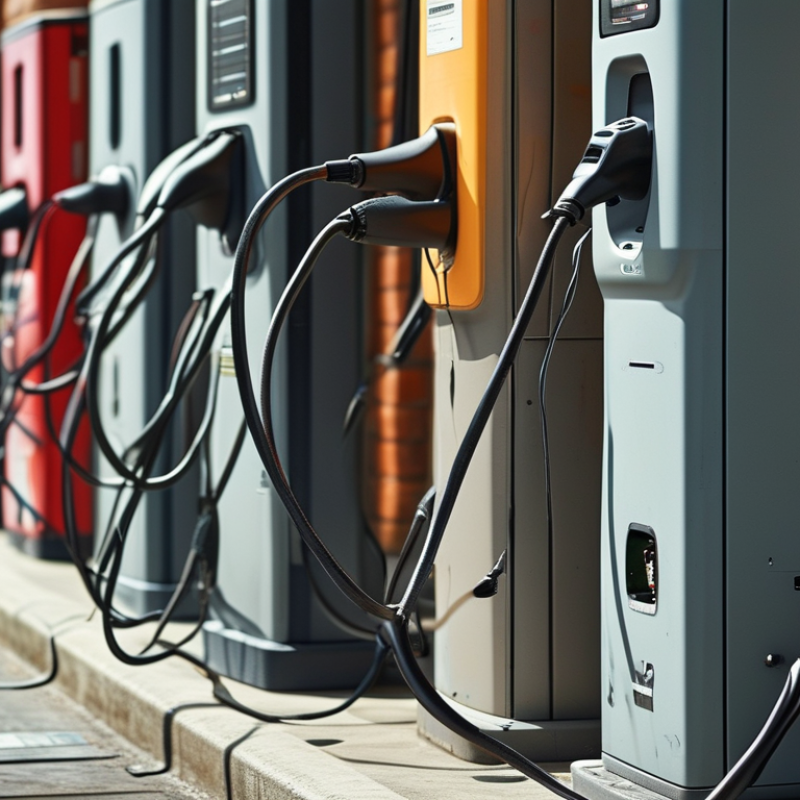
How to Choose the Best EV Car Charger for Your Needs?

Understanding the Different Types of EV Car Chargers Available

When selecting an EV car charger, understanding the various types available is essential. Level 1 chargers use a standard home outlet. They’re easy to install but slow, usually providing just 2 to 5 miles of range per hour. This might work if you drive short distances daily. However, it’s not ideal for frequent long trips.

Level 2 chargers are much more efficient. They can charge an EV in a few hours, giving you 10 to 60 miles of range per hour. These chargers often require professional installation, adding to the initial cost. Think about your driving habits. If you need quick charging, investing in a Level 2 charger makes sense.

Tips for choosing the right charger: Consider your daily mileage. This will influence your charger type. Additionally, think about your home’s electrical capacity. Some older homes may not support a Level 2 charger without upgrades. Assess these aspects to make a more informed choice. A simple, reliable installation can save you headaches later. Comparing local utility rates may also reveal potential savings with off-peak charging.

How to Choose the Best EV Car Charger for Your Needs?

Charger Type Charging Speed (miles/hour) Power Output (kW) Best Use Case Cost Estimate
Level 1 Charger 4-5 miles/hour 1.4-2.4 kW Home Charging $300-$600
Level 2 Charger 10-60 miles/hour 3.7-22 kW Home & Public Charging $500-$2,500
DC Fast Charger 60-100 miles/30 minutes 50-350 kW Highway Stops & Quick Charging $10,000-$40,000
Tesla Supercharger 150-300 miles/30 minutes 120-250 kW Tesla Network N/A

Factors to Consider for Your EV Charging Needs

When choosing the best EV car charger, consider several key factors that can impact your charging experience. One important aspect is the charging speed. Different chargers offer varying voltages and amperages. This affects how quickly your vehicle can charge. A Level 2 charger typically provides faster charging than a standard outlet. If you drive long distances frequently, investing in a quicker option may ease your concerns.

Another factor to think about is the installation location. This may require an assessment of available electrical infrastructure. A professional electrician can help determine if your home or office can handle the installation of a more powerful charger. Accessibility is also vital. Placing your charger in a convenient spot can make charging easier and more efficient. Ensure it’s within reach of your parking area.

Lastly, you should consider the compatibility of the charger with your vehicle. Not all chargers work with every EV model. Conduct thorough research to find chargers that suit your specific vehicle. Take into account future needs as well. If you plan to get a different EV, choose a flexible charging solution to avoid needing an upgrade soon. Balancing these factors can help you select the right EV charger that matches your lifestyle.

Evaluating Home vs. Public Charging Solutions

When evaluating charging solutions for electric vehicles (EVs), it's essential to consider both home and public options. Home chargers provide convenience and cost-effectiveness. According to the U.S. Department of Energy, 80% of EV charging occurs at home. Installing a Level 2 home charger can fully charge most vehicles overnight. This allows drivers to start each day with a full battery.

Public charging stations offer flexibility for longer trips. They come in two types: Level 2 chargers and fast chargers. Level 2 chargers can take several hours, while fast chargers can recharge an EV to 80% in about 30 minutes. However, these stations may not always be available, leading to potential delays. A report from the International Energy Agency highlights that as of 2022, there are over 1.8 million public charging points worldwide, which is increasing. Yet, infrastructure gaps remain, making planning essential.

When choosing between home and public charging, consider your lifestyle. Home charging suits daily commuters. For long-distance travel, public charging stations become vital. A personal assessment can illuminate preferences. Evaluate your routine and needs. Access to a reliable charging solution is crucial to enjoying the benefits of EV ownership.

Assessing Charging Speed and Compatibility with Your EV

When choosing an EV car charger, understanding charging speed is crucial. Level 1 chargers provide a slower charge, typically 4 to 5 miles per hour. This might not suffice for daily needs, especially for those who drive extensively. Level 2 chargers, on the other hand, offer around 25 to 30 miles per hour. According to recent reports, about 85% of EV owners prefer Level 2 chargers for home use, given the faster charging times and convenience.

Compatibility with your specific EV model is equally important. Not all EVs support the same charging standards. Research shows that over 60% of new electric vehicles use the CCS standard for fast charging. If your EV has a different connector type, it may limit your options. Check your vehicle’s specifications carefully. Also, consider the charger’s installation requirements. Many chargers require a dedicated electrical circuit. This added complexity can influence your decision. A charger might seem perfect until you realize the installation process is more complicated than anticipated.

Ultimately, the right EV charger should match your lifestyle and driving habits. Balance between speed, compatibility, and installation ease is essential. Frequent drivers may have different needs compared to those who drive less. Each choice comes with its own set of advantages and challenges that warrant careful consideration.

Installation Requirements and Costs for Home Chargers

When considering a home EV charger, installation requirements play a crucial role. A dedicated circuit is often necessary. This ensures that your home’s electrical system can safely handle the power demands of the charger. Without proper amperage, you risk tripping breakers, or worse, causing electrical fires.

The complexity of installation can vary greatly. Older homes may need electrical upgrades to accommodate a charger. Sometimes, this means new wiring or a more substantial panel. The cost of installation can sometimes exceed the price of the charger itself. It’s essential to get quotes from licensed electricians who specialize in EV chargers. They can help navigate local codes and safety standards.

Location matters too. Choose a spot that minimizes cable length to reduce installation costs. Yet, consider accessibility for daily use. A poorly placed charger can lead to frustration. Homeowners should also think about future needs. What if you buy a second EV? Planning for potential upgrades now can save money and hassle later. Remember, a charger is an investment in your vehicle and your home’s infrastructure.

EV Car Charger Installation Costs and Requirements

This chart illustrates the average installation costs associated with different types of EV car chargers. Level 1 chargers are the most affordable, while DC fast chargers represent a significant investment for faster charging capabilities.

FAQS

: What is a Level 1 charger?

: A Level 1 charger uses a standard home outlet. It is easy to install but charges slowly.

How much range does a Level 1 charger provide?

It typically provides 2 to 5 miles of range per hour. Short daily drives may work, but not long trips.

What are the advantages of a Level 2 charger?

Level 2 chargers charge faster, offering 10 to 60 miles of range per hour. They are worth considering for quick charging.

What should I consider about charger installation?

Evaluate your home’s electrical capacity before installation. Older homes may need upgrades to support Level 2 chargers.

Why is the location of the charger important?

A convenient location makes charging easier. Accessibility within reach of your parking area is essential for efficiency.

How can I ensure charger compatibility with my EV?

Not all chargers work with every EV model. Research is needed to find suitable chargers for your specific vehicle.

What factors can impact my charging experience?

Charging speed, installation location, accessibility, and compatibility all play key roles in your overall charging experience.

How can I save on charging costs?

Comparing local utility rates may help you find savings. Off-peak charging can lower your overall costs significantly.

What if I might get a different EV in the future?

Choose a flexible charging solution. This helps avoid needing to upgrade your charger later, which can be inconvenient.

What is a common overlook when choosing a charger?

Many forget to assess their driving habits and daily mileage. This can lead to selecting an unsuitable charger type.

Conclusion

When choosing the best EV car charger for your needs, it's essential to understand the different types of chargers available, including Level 1 and Level 2 options. Each type caters to varying charging speeds and compatibility with your electric vehicle. Factors to consider include your driving habits, the frequency of use, and whether you prefer home charging solutions or rely on public charging stations.

Evaluating the installation requirements and costs for home chargers is crucial, as this can affect your overall investment in electric vehicle ownership. By assessing these components, you can ensure that you select an EV car charger that not only meets your practical needs but also aligns with your lifestyle, providing convenience and efficiency in charging your vehicle.

Aria

Aria

Aria is a dedicated marketing professional with a deep passion for innovative strategies and a keen understanding of our company's product offerings. With a wealth of experience in the industry, Aria excels at crafting engaging content that highlights the unique features and benefits of our......