 Worlink
Choosing the best Ev Cars in 2026 is less about chasing the longest range and more about matching a car to your real routine. A daily commute, weekend drives, and access to home charging can matter more than a headline figure. Range is not everything. Cold weather, highway speeds, and cabin heating can reduce the distance available between charges, so advertised estimates deserve a closer look.
This guide will help you compare range, charging speed, efficiency, passenger space, safety features, warranty coverage, and total ownership costs. Picture a weekday commute followed by a grocery stop: convenient charging at home may make a smaller battery practical. Without reliable charging nearby, that same choice could feel limiting. I still find this balance tricky. A test drive can reveal details a specification sheet misses, such as seat comfort, visibility, and how easily controls work while driving. Check current manufacturer information and independent road tests, since model details and prices can change. Compare vehicles under similar conditions, and treat any single review as one piece of evidence. There may not be one clear winner. The right choice depends on your budget, driving habits, charging options, and the compromises you are willing to accept.
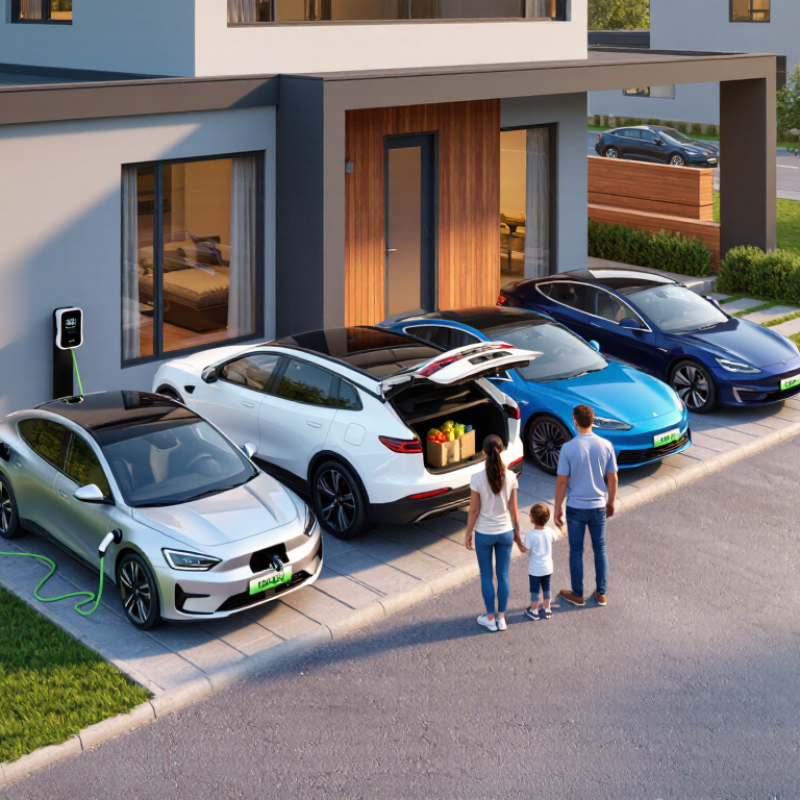
Before comparing electric vehicles, map the trips you actually make. Note your daily distance, usual speed, and where the car sits overnight. A week of simple mileage notes can reveal more than a perfect-looking spreadsheet. Include school runs, errands, and the longer journeys you make only once or twice each month.
Think about charging as part of your routine. If you can charge where you park overnight, a shorter-range vehicle may still suit your commute. If you rely on public chargers, check their locations along your regular routes and consider how long you are willing to stop. Keep a buffer. Cold weather, cabin heating, highway speeds, and a full load can reduce practical range, so treat published estimates as guides, not promises.
Your patterns may change, too. A growing family, a new job, or weekend trips can make today’s needs a poor forecast. Compare the vehicle’s usable space with your usual bags, sports gear, or child seats, and plan one familiar route during a test drive. It is easy to overestimate how often you travel far. It is also easy to overlook an inconvenient charging stop. Revisit your notes before choosing, and allow some room for uncertainty.
Use your regular journeys, charging access, and occasional trips to identify the EV capabilities that matter most. Distance bands below are practical planning examples, not vehicle-performance guarantees.
| Driving need | Typical travel pattern | Charging situation | EV capabilities to prioritize | What to check before choosing |
|---|---|---|---|---|
| Short, predictable commute | About 10–30 miles (16–48 km) on most weekdays, with local errands. | Home or workplace charging is available regularly. | A suitable everyday range, efficient energy use, and convenient charging options. A very long advertised range may not be essential. | Estimate weekly mileage and confirm that your usual charging location and electrical setup are practical. |
| Long daily commute | About 50–100 miles (80–161 km) per day, often including highway driving. | Reliable overnight charging is helpful; workplace charging can add flexibility. | More usable range than the normal round trip requires, efficient highway performance, and comfortable seating. | Allow a range buffer for cold weather, high speeds, detours, and battery aging. Check independent range tests where available. |
| Apartment or street parking | Regular local driving, but no dedicated parking space or private charger. | Charging may depend on public chargers, shared facilities, or workplace access. | Access to charging locations near home, work, or routine destinations; clear charging-status and route-planning tools. | Check charger availability, operating hours, payment methods, and whether chargers are reliably accessible when you need them. |
| Frequent long-distance travel | Regular trips well beyond the vehicle’s comfortable round-trip range, including intercity journeys. | Public fast charging is likely to be part of the trip. | Good real-world highway range, rapid-charging capability, and a charging network with suitable stops along common routes. | Compare charging time over a useful battery range—not just peak charging power—and check route-specific charger coverage. |
| Mostly urban driving | Short trips, frequent stops, congestion, and limited parking space. | Charging may take place at home, at work, or at public destinations. | Easy maneuverability, practical parking dimensions, regenerative-braking settings, and efficient stop-and-go operation. | Test visibility, turning circle, parking fit, and the ease of charging where the vehicle will usually be parked. |
| Family or cargo use | School runs, passengers, luggage, sports equipment, or bulky everyday items. | Regular charging access supports predictable family routines. | Suitable passenger space, child-seat fit, usable cargo capacity, and a range that accounts for fully loaded trips. | Try the actual child seats and luggage; check rear-seat access, cargo dimensions, and the effect of extra load on range. |
| Cold-weather driving | Daily use in low temperatures, sometimes with snow, hills, or winter tires. | Charging at home can make it easier to start trips with a charged battery. | Battery preconditioning, cabin preheating while plugged in, and a generous range margin for winter journeys. | Cold weather can reduce driving range and charging speed. Review winter-use tests and confirm the vehicle’s heating and preconditioning features. |
| Towing or frequent heavy loads | Occasional towing, work equipment, or consistently heavy cargo. | Charging access along routes may be important, especially on longer trips. | Verified towing capacity, suitable payload, and enough range and charging access for loaded journeys. | Towing and heavy loads can substantially reduce range. Check the official limits, local rules, and real-world range with the intended load. |
Quick rule: Start with your longest regular journey and the charging you can reliably access. Treat advertised range as a comparison figure; actual range varies with speed, temperature, terrain, load, tires, and driving style.
Track your daily distance for one week. Include errands, school runs, and occasional longer trips. Keep a buffer.
It can be, especially if you charge overnight where you park. Cold weather and highway speeds may reduce usable range.
Find chargers along your regular routes. Check typical availability and decide how long you are comfortable stopping. Plans can change.
A compact hatchback can help with tight parking. A sedan may suit longer drives, while an SUV offers more room for passengers or gear.
Check independent crash-test results and confirm which driver-assistance features are standard. Try the alerts during a test drive. Some can be distracting.
Read owner reports across several years when possible. Ask about local repair access, parts delays, and software support. New models leave more uncertainty.
Compare battery and drive-component coverage. Read how the battery warranty defines capacity loss; that wording is easy to miss.
Bring your usual phone and passengers. Check the menus, rear-seat comfort, and whether your bags fit. Sit for a while.
Consider both alongside your routes and charging access. A long range number may not help much if charging stops are inconvenient.
Choosing the best Ev Cars in 2026 starts with understanding how you drive. Consider your daily commute, weekend trips, passenger and cargo needs, and access to home or public charging. These patterns can help you decide how much driving range you need and whether a particular charging setup fits your routine. Compare battery performance and charging options as well, since efficiency, charging speed, and convenience can matter as much as the advertised range.
Next, look beyond the purchase price. Account for available incentives, charging equipment, energy use, maintenance, and other ownership costs. Review safety features, reliability information, and useful technology, then consider which vehicle type and features suit your priorities. A thoughtful comparison can help you choose an electric vehicle that balances practicality, comfort, cost, and confidence for years of everyday driving.
