
Worlink Worlink

How to Choose the Best Small Electric Car to Buy?

Time:2026-10-15 Author:Madeline
0%

Choosing the best Small Electric Car is not simply a matter of comparing prices or counting touchscreen features. It is a practical decision about daily distance, charging access, passenger needs, and long-term costs. A car that fits neatly into a narrow city parking space may feel perfect in town, yet become frustrating on a 250-mile weekend journey. Real-world experience matters here. Test the driving position, inspect the boot, and measure your home parking space before trusting a brochure.

Elon Musk, Tesla’s co-founder and a prominent electric-vehicle industry figure, once said, “The best part is no part. The best process is no process.” That principle helps explain why compact electric cars can be attractive. Fewer mechanical components may reduce routine maintenance, while a lighter body can improve efficiency. However, simplicity is not automatically better. Battery replacement costs, software reliability, charging speed, winter range, and warranty support still deserve careful attention. Small does not mean cheap to repair.

This guide compares the details that affect ownership, not just showroom appeal. It considers battery capacity, realistic range, safety equipment, cabin comfort, charging options, and resale prospects. Manufacturer range figures can look reassuring. They may not match cold mornings, heavy traffic, or fast motorway driving. No ranking is perfect. Personal priorities change the answer. A student, a commuter, and a young family may choose three different winners. The most suitable Small Electric Car is the one that works reliably in your ordinary week, including the inconvenient parts.
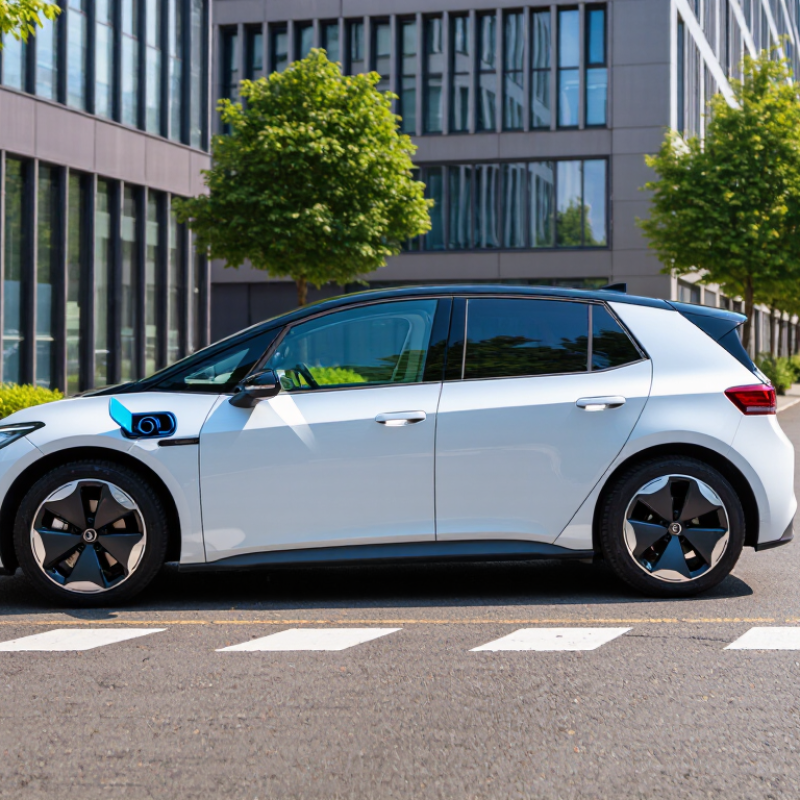
How to Choose the Best Small Electric Car to Buy?

Define Your Daily Driving Needs and Budget

How to Choose the Best Small Electric Car to Buy?

Define Your Daily Driving Needs and Budget

Start with your real daily routine, not an imagined weekend adventure. Record your usual distance for one week. Include school runs, shopping, traffic, and unexpected detours. A small electric car may suit a 35-mile commute, but less comfortably if charging is difficult.

Set a complete budget before visiting a dealer. Include the purchase price, home charging equipment, electricity, insurance, tires, servicing, and local taxes. Check official battery warranty terms and independent safety ratings. Range figures come from controlled tests, so cold weather, hills, heating, and heavy loads can reduce them. I once underestimated winter energy use by nearly 20 percent. That mistake changed my monthly planning.

Tips: Measure your parking space carefully. Confirm whether a home charger is practical. Ask an electrician for a professional assessment. Compare public charging prices with your home electricity rate. During a test drive, notice seat comfort, visibility, turning space, and brake response. Test the rear seats with the people who will use them. Check the boot with your normal shopping bags. A car can look efficient yet feel unsuitable in daily life.

Leave a small financial buffer. Repairs are uncommon, but not impossible. Your ideal choice should fit your routine without forcing uncomfortable compromises. Recheck the numbers after the test drive.

Compare Size, Range, Charging, and Battery Options

Choosing the best small electric car starts with the space you actually use. Measure your parking bay, turning area, and rear-seat needs. A shorter body is easier in tight streets, but a tiny boot can become frustrating after one grocery trip. Do not trust size labels alone. Compare wheelbase, door opening angles, and usable luggage volume.

Range deserves a realistic test. The International Energy Agency reported nearly 14 million electric cars sold globally in 2023, showing wider everyday use. Yet official test figures can exceed practical results in winter, heavy rain, or motorway driving. I would compare independent road tests and leave a 20% range buffer. A 300-kilometre rating may feel closer to 240 kilometres on a cold, fast journey. That difference matters.

Charging habits should guide battery choice. The IEA counted more than four million public charging points worldwide by the end of 2023, but access remains uneven. Home charging is usually calmer and cheaper than relying on rapid chargers. Check the car’s AC charging rate, DC peak rate, charging curve, and cable compatibility. Battery chemistry also changes ownership experience. Lithium iron phosphate packs often support strong cycle durability and frequent charging, while nickel-based packs can offer higher energy density. BloombergNEF reported average lithium-ion pack prices at 139 dollars per kilowatt-hour in 2023. Larger batteries add weight, cost, and charging time. More range is not always better. I might still choose a smaller pack for a short commute, but only after checking winter access to chargers.

Evaluate Safety, Comfort, Technology, and Practicality

How to Choose the Best Small Electric Car to Buy?

Safety should begin with evidence, not a glossy dashboard. Check independent crash-test results, emergency braking, lane support, and clear visibility. Sit in the rear seat with an adult. Can knees move comfortably? Test the charging cable too, because a stiff connector becomes annoying in winter. Look for adjustable seat height, firm support, and controls you can use without hunting through menus. A calm cabin matters during long traffic queues.

Technology should reduce work, not create another chore. Test the phone connection, navigation, voice controls, and screen brightness in direct sunlight. Ask whether essential functions remain usable when mobile coverage disappears. Check charging speed against your routine, not a brochure figure. A modest battery may suit a short commute, while frequent motorway trips demand more planning. Measure the boot with a folded stroller or two grocery crates. Numbers can mislead.

My own mistake was trusting a quick showroom drive. I missed the wide door edge and found the rear window too narrow after parking. Take the car over rough roads, tight corners, and a steep ramp. Test the turning circle near a supermarket. Listen for rattles. Ask for service intervals, battery warranty terms, repair access, and software-update policies in writing. Independent reviews help, but inspect the actual vehicle carefully. No checklist is perfect. Leave room for doubt.

A practical evaluation model for small electric cars: safety receives the highest priority, followed by everyday practicality, comfort, and technology. Use these weights to compare vehicles consistently without relying on brand reputation alone.

Calculate Total Ownership Costs and Available Incentives

How to Choose the Best Small Electric Car to Buy?

Sticker price is only the opening number. To choose wisely, calculate the car’s total ownership cost over five years. Record the purchase price, financing interest, registration fees, insurance, charging equipment, electricity, maintenance, tires, and expected resale value. Estimate annual electricity use from your real driving distance, not an optimistic brochure figure. Use your local tariff and include public charging, which can cost more than home charging. A basic spreadsheet makes hidden expenses easier to see.

Available incentives may reduce the initial cost significantly. Check official government portals for purchase rebates, tax credits, registration discounts, and home-charger support. Eligibility can depend on income, vehicle price, battery size, residency, or application timing. Some benefits arrive months after purchase. Others reduce taxes rather than the dealer’s invoice. Read the current rules carefully, because incentive programs can change during the year. Keep receipts and approval documents.

Small electric cars often need less routine maintenance, but tires and insurance still deserve attention. Ask insurers for written quotes before choosing a model. Compare battery warranty terms, roadside support, and service prices in your area. Resale value remains uncertain, especially when battery technology changes quickly.

My first cost worksheet was too optimistic because I ignored winter energy use and public charging. That mistake mattered.

Recheck your assumptions using a monthly budget, a longer commute, and one unexpected repair. A cheaper purchase can become expensive when charging access is inconvenient.

Test-Drive, Compare Models, and Make the Final Choice

Take the test drive in real conditions, not only around a showroom. Drive over rough pavement, tight corners, and a steep parking ramp. Notice how quickly the car responds when leaving a junction. Test the brakes gently, then firmly. Check whether the driving position still feels comfortable after thirty minutes. Do not rush. A small electric car may feel easy to park but cramped on longer journeys.

Compare models using the same checklist. Record usable battery capacity, estimated winter range, charging speed, insurance cost, and boot space. Ask for written warranty details and battery coverage. A salesperson’s range estimate may use mild weather and ideal traffic. Independent road tests offer useful evidence, but conditions still differ. I once trusted a generous range figure and ignored frequent motorway travel. That mistake would have been expensive.

Before choosing, repeat the drive with passengers and luggage. Listen for suspension noise over uneven roads. Test the rear seats, charging cable storage, visibility, and dashboard controls. Check whether home charging suits your parking arrangement. Public charging access also deserves a practical trial. Compare the purchase price with electricity, servicing, tyres, and insurance. Safety ratings from recognised testing authorities can reveal weaknesses that comfort cannot. The cheapest option may not be the best value. My own final choice would depend on daily distance, charging access, and honest winter performance, even if the cabin felt less impressive.

FAQS

How can I tell whether a small electric car fits my daily routine?

Record your usual driving distance for one week. Include commuting, shopping, school runs, traffic, and detours. A 35-mile commute may work well. Difficult charging can change everything.

What costs should I include in my budget?

Include the purchase price, financing, insurance, electricity, tires, servicing, taxes, and charging equipment. Add public charging costs. Keep a small emergency buffer.

How reliable are the advertised driving-range figures?

They come from controlled tests. Cold weather, hills, heating, and heavy loads can reduce range. I once underestimated winter energy use by nearly 20 percent. That mistake affected my monthly budget.

What should I inspect during a test drive?

Test seat comfort, visibility, brake response, turning space, and rear-seat room. Drive over rough roads and a steep ramp. Check the boot with your normal shopping bags. A quick showroom drive can hide problems.

How should I evaluate safety?

Check independent crash-test results and emergency braking performance. Look for clear visibility and useful lane support. Sit behind an adult passenger. Knee room matters.

Which technology features deserve attention?

Test phone connection, navigation, voice controls, and screen brightness. Try the controls in direct sunlight. Ask whether essential features work without mobile coverage. Technology should reduce work.

How do I calculate five-year ownership costs?

Use a simple spreadsheet. Add purchase costs, insurance, charging, electricity, maintenance, tires, fees, and estimated resale value. Use your local electricity rate. Include expensive public charging.

What should I check before claiming financial incentives?

Check current official rules for rebates, tax credits, registration discounts, and charger support. Eligibility may depend on income, price, battery size, residency, or timing. Keep receipts and approval documents. Rules can change.

Conclusion

Choosing the best Small Electric Car begins with understanding your daily driving habits, including commute distance, passenger needs, cargo space, and available budget. Compare each vehicle’s size, driving range, charging speed, battery capacity, and charging options to find a model that fits your routine. It is also important to consider safety ratings, seating comfort, driver-assistance features, infotainment, visibility, and everyday practicality.

Before making a decision, calculate the total ownership cost, including purchase price, home charging equipment, electricity, maintenance, insurance, and possible government incentives. A lower purchase price may not always mean better long-term value, while a larger battery may be useful for frequent long-distance travel but unnecessary for short urban trips. Finally, test-drive several models, assess their handling and comfort, compare warranties and service support, and choose the Small Electric Car that offers the best balance of affordability, convenience, efficiency, and personal suitability.

Madeline

Madeline

Madeline is a dedicated marketing professional with a wealth of expertise in our company's core offerings. With a keen understanding of the industry, she brings a unique perspective to her role, consistently delivering high-quality content that highlights the superior aspects of our products. As......