
Worlink
The Electric Car Auto industry is rapidly evolving, driven by changing consumer preferences and technological advancements. According to Dr. Emily Zhao, an expert at the Global Electric Mobility Institute, "Innovation in electric vehicle design is reshaping procurement strategies." This insight highlights how electric vehicles are not just cars but a catalyst for broader changes in the supply chain.
As sustainability becomes a priority, manufacturers are exploring new materials and methods. Companies now seek partnerships with suppliers that emphasize green practices. This shift in focus is crucial for meeting customer expectations and regulatory demands.
Challenges persist, however. Not all suppliers are aligned with the sustainability goals of OEMs. There are disparities in capabilities and technologies available across regions. This uneven landscape forces electric auto producers to critically evaluate their procurement choices. Their success hinges not only on technological advancements but also on ethical sourcing and environmental responsibility.
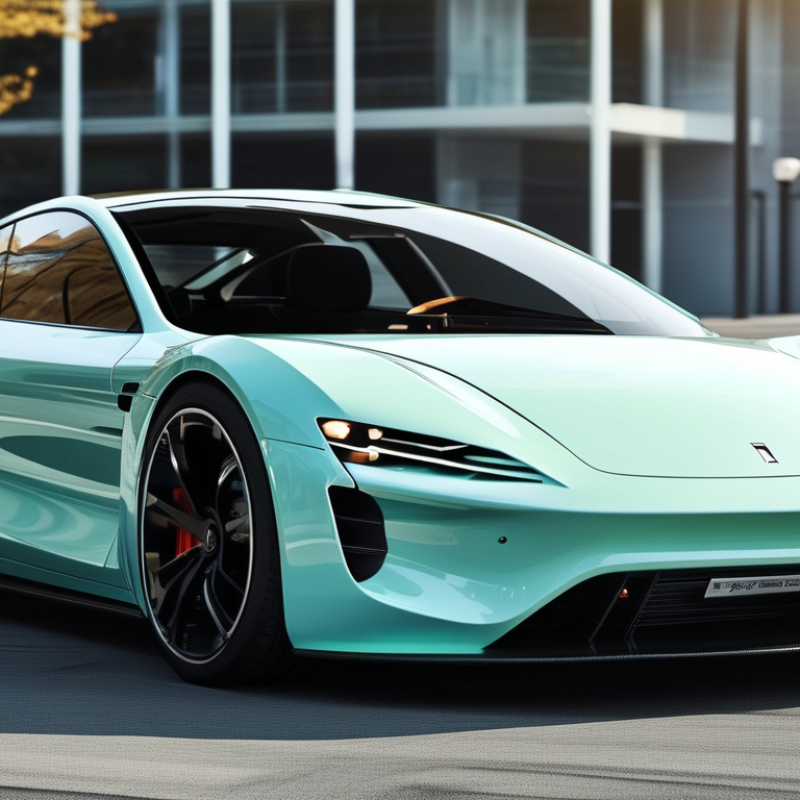
The rise of advanced battery technologies is reshaping the electric vehicle (EV) landscape. According to the International Energy Agency (IEA), battery performance has improved significantly in recent years. For instance, the energy density of lithium-ion batteries has increased by about 30% since 2015. This advancement enhances vehicle range and efficiency. However, these improvements also lead to increased manufacturing complexity.
Solid-state batteries are emerging as a promising alternative to conventional lithium-ion systems. These batteries promise higher energy density and increased safety. A report by BloombergNEF predicts that solid-state batteries could account for 20% of the market by 2030. Despite their potential, challenges like high production costs remain. Manufacturers are exploring ways to scale production and reduce costs effectively.
Electric vehicle consumers expect long-range capabilities and rapid charging. According to McKinsey, nearly 70% of potential EV buyers prioritize battery longevity. This demand drives innovation in battery recycling and second-life applications. Sustainability is becoming crucial, especially with the growing pressure to reduce carbon footprints. As the market evolves, businesses must stay flexible to harness both the opportunities and challenges of these new technologies.
The electric vehicle sector is undergoing a significant transformation. Sustainability practices play a crucial role in this evolution. Efforts to reduce carbon footprints are influencing procurement decisions worldwide. Manufacturers are now sourcing materials that have lesser environmental impacts. For example, some are prioritizing recycled materials over new ones. This shift is not just a trend; it reflects a broader commitment to environmental stewardship.
Supply chains are increasingly under scrutiny. Many companies are assessing their suppliers for sustainability credentials. This includes evaluating energy consumption and waste management practices. Engaging with suppliers who follow sustainable practices can enhance a company’s reputation. However, this journey is not without challenges. Ensuring compliance and transparency can be daunting tasks. Some organizations struggle to strike a balance between cost and sustainability.
Innovation is essential in electric vehicle manufacturing, especially regarding renewable energy sources. Using solar and wind energy can significantly reduce emissions. Still, the implementation of these technologies can be complex and costly. Companies often face pushback or inertia when adopting new systems. The road ahead requires a commitment to continuous improvement and adaptation to changing regulations. Embracing sustainability in the electric vehicle industry is a must, but it comes with obstacles that demand careful navigation.
| Trend | Description | Impact on Procurement | Sustainability Approach |
|---|---|---|---|
| Carbon Neutral Production | Manufacturers aim to achieve net-zero carbon emissions in the production processes. | Increased sourcing of renewable materials and energy. | Investing in clean energy sources for production facilities. |
| Battery Recycling | Focus on implementing circular economy principles to recycle EV batteries. | New partnerships with recycling companies to secure material supply chains. | Minimizing waste and reusing materials in production. |
| Digital Supply Chain | Integration of technology for real-time tracking and efficiency. | Enhanced visibility allows for more agile procurement processes. | Using data analytics to optimize resource usage and reduce emissions. |
| Local Sourcing | Prioritizing local suppliers to reduce transportation emissions. | Strengthening regional supply chains and resilience. | Support for local economies while lowering the carbon footprint. |
| Sustainable Materials | Shift towards biodegradable and recyclable materials in manufacturing. | Diversifying supplier base to include sustainable material producers. | Improving product lifecycle and reducing ecological impact. |
Government policies play a crucial role in the adoption of electric vehicles (EVs). Many countries are pushing for cleaner transportation. This push often includes subsidies for buyers of electric cars. Such incentives make EVs more accessible. Financial support can increase consumer interest and engagement.
However, not all policies are equally effective. Some regions face challenges with inconsistent regulations. This inconsistency can confuse potential buyers. Moreover, the infrastructure for charging stations is not uniformly developed. Inadequate charging options can deter consumers. As a result, even with incentives, many may hesitate to switch to EVs.
A successful transition to electric mobility requires strategic policymaking. Governments should focus on improving charging networks and reducing regulatory hurdles. Clear, comprehensive laws can enhance consumer confidence. By addressing these issues, policymakers can better support the global shift toward sustainable vehicles. This makes it critical to analyze ongoing policy impacts continuously.
The electric vehicle (EV) market is rapidly transforming, significantly influenced by changing consumer preferences. A prominent trend is the increasing demand for smart and connected features in EVs. According to a recent study by McKinsey, over 60% of consumers prioritize advanced technology when selecting a vehicle. This data highlights the shift towards integration of digital functions that enhance the driving experience. Features such as driver assistance systems, real-time navigation updates, and seamless smartphone connectivity have become essential for many buyers.
Additionally, the desire for personalization drives the demand for smart features. A Deloitte report indicates that 50% of consumers are willing to pay extra for personalized services in their vehicles. This includes customizable interfaces and software updates that improve functionalities over time. However, there's a challenge. Not all consumers are comfortable with the idea of sharing their data to access these connected features. As companies strive to meet customer needs, understanding and addressing privacy concerns is crucial.
Moreover, manufacturers often face difficulties in integrating these technologies effectively. Compatibility issues can lead to inconsistencies across different models. Reports have shown that 40% of consumers experience frustration with technology delays or glitches. Businesses must balance innovation with reliability to build trust. Continuous feedback from users is vital to refine these smart features, ensuring they meet consumer expectations while enhancing overall satisfaction.
The shift toward electric vehicles (EVs) is reshaping global supply chains. A significant focus is on sourcing materials for batteries. Lithium, cobalt, and nickel are essential components. However, their extraction raises ethical and environmental concerns. This complexity demands transparency in supply chains. Stakeholders are now reevaluating sourcing practices.
Innovations in technology are paving the way for new solutions. Recycling projects are emerging to reclaim valuable materials from old batteries. These initiatives promise reduced environmental impact and lower costs. Collaboration among manufacturers, researchers, and policymakers is crucial. Effective partnerships can optimize material usage and enhance sustainability. Yet, challenges remain. The reliability of recycled materials must be validated.
Lastly, regional sourcing is becoming critical. As geopolitical tensions rise, diversifying supply sources is vital. Localizing production can mitigate risks. However, this may also increase costs and complicate logistics. Continuous innovation and adaptability are essential for navigating this evolving landscape. Effective strategies will ultimately shape the future of electric vehicle procurement.
: Battery performance has improved significantly, with lithium-ion energy density increasing by about 30% since 2015.
Solid-state batteries are emerging, offering higher energy density and increased safety compared to conventional lithium-ion batteries.
High production costs remain a key challenge for solid-state batteries, hindering their widespread adoption.
Consumers prioritize long-range capabilities and rapid charging, making these features vital in the EV market.
Innovations in battery recycling aim to reclaim materials, reduce environmental impact, and lower costs.
The extraction of battery materials raises ethical and environmental concerns, requiring transparency in sourcing practices.
Partnerships among manufacturers and researchers can optimize material usage and enhance sustainability in the EV supply chain.
Increasing tensions prompt the need for diversifying supply sources and localizing production, though this can complicate logistics.
Yes, ensuring the reliability of recycled materials is crucial for them to be utilized effectively in new battery production.
Continuous innovation and adaptability will shape effective strategies, crucial for navigating the evolving electric vehicle landscape.
The electric car auto industry is experiencing significant transformations driven by various key trends. Advanced battery technologies are emerging as a crucial component to enhance vehicle performance and range, while sustainability practices in manufacturing and procurement are becoming increasingly vital for environmentally conscious production processes. Additionally, governmental policies are playing a pivotal role in promoting electric vehicle adoption, impacting procurement strategies across the globe.
Consumer preferences are shifting towards smart and connected features, which are now essential in modern electric cars. This trend reflects a growing demand for innovative technology integration that enhances user experience. Moreover, global supply chain innovations are reshaping the procurement of electric vehicle components and materials, ensuring efficiency and responsiveness in the evolving market landscape. Collectively, these trends are driving the future of electric car auto procurement, shaping a more sustainable and technologically advanced industry.
