In recent years, China has emerged as a frontrunner in the Electric Car Auto market. Global buyers are increasingly drawn to the innovations that define this landscape. The rapid development is reshaping consumer preferences and industry dynamics.
The growth of Electric Car Auto technologies has been remarkable. New models with enhanced range and performance are emerging continuously. Buyers can find various options that cater to different needs. However, the market is not without challenges. Consumers may feel overwhelmed by the choices available. Moreover, navigating government policies and incentives can be complex.
Staying informed about these trends is crucial for potential buyers. Market shifts may impact availability and pricing. Experts emphasize the importance of research before making a decision. Understanding what the future holds can lead to better purchasing choices. In this evolving market, awareness of current and emerging trends is vital for making informed decisions.
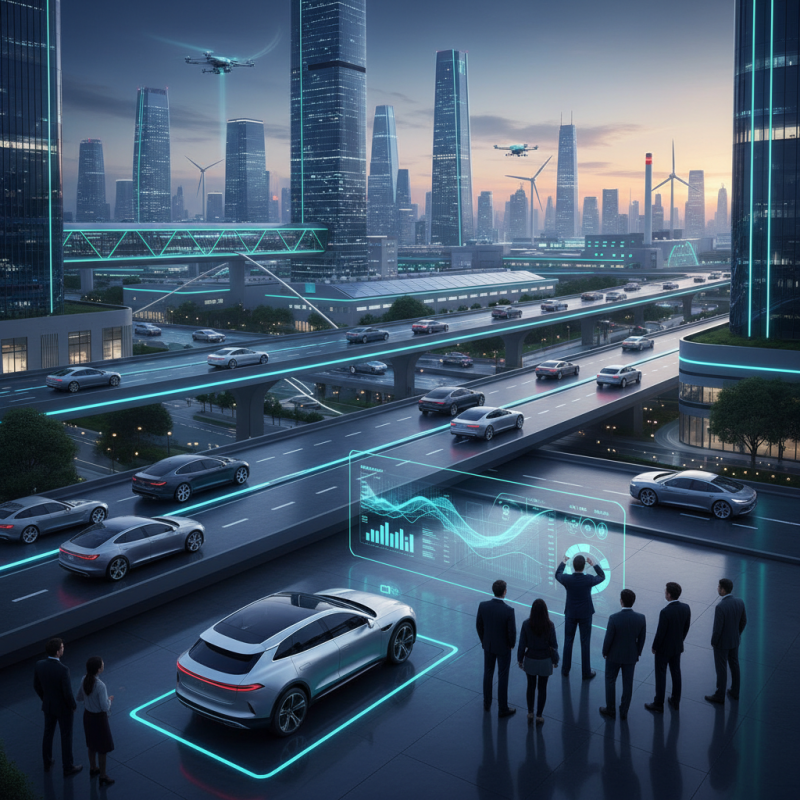
Emerging Technologies in China's Electric Vehicle Market
China's electric vehicle (EV) market is rapidly evolving, driven by cutting-edge technologies. One significant trend is the integration of artificial intelligence. AI systems enhance driving safety and navigation. They also optimize battery management for improved range.
Battery technology is another area of innovation. Solid-state batteries are gaining attention. They promise faster charging and longer lifespan. However, challenges remain in production scalability. Research continues to address these hurdles.
Tip: When considering an EV, research the battery types. Understand their advantages and limitations.
Charging infrastructure is expanding. Fast chargers are becoming more common. Yet, urban areas may face congestion. Planning ahead can mitigate charging delays.
Tip: Always check charging station availability on your route. This can save time and ensure a smoother journey.
Innovation in
autonomous driving is noteworthy, too. Emerging systems aim to enhance user experience. The technology is promising but still requires refinement.
Safety is a top priority.
As these trends unfold, buyers should stay informed. The EV landscape is dynamic, and keeping up can lead to
better choices.
Key Players and Brands Dominating China's Electric Vehicle Sector
The electric vehicle (EV) market in China continues to expand rapidly, driven by key players who are reshaping the landscape. In 2022, China's EV sales reached an impressive 6.9 million units, accounting for 52% of global electric car sales. This astounding growth highlights China’s dominance in this sector.
Several brands have emerged as leaders. They consistently innovate and introduce advanced technologies that appeal to both local and international buyers. Over 30% of EV owners in China prioritize cutting-edge smart features, indicating a shift towards more technologically integrated vehicles. As reported by industry analysts, the demand for high-performance batteries has surged, with a projected market growth of 25% annually in the next five years.
However, challenges remain. The competition is intensifying, leading to questions about sustainability. Manufacturers face scrutiny over battery recycling and environmental impacts. Regulatory pressure is also increasing, emphasizing the need for compliance with stricter emissions standards. This evolving market scenario necessitates a careful evaluation of these key players’ long-term strategies. How they adapt will be crucial as the global landscape shifts toward greener alternatives.
Government Policies Influencing Electric Vehicle Adoption in China
In recent years, China's government has implemented significant policies to boost electric vehicle (EV) adoption. These initiatives reflect an urgent need to address environmental concerns and ensure sustainable transportation. From subsidies to tax breaks, the support has been robust. According to the China Association of Automobile Manufacturers, sales of electric vehicles surged by over 200% from 2020 to 2021, thanks largely to these government incentives.
However, challenges remain. While subsidies have driven initial sales, they may not be a sustainable long-term strategy. As government support fluctuates, manufacturers face uncertainty. Additionally, consumer confidence must be built. Reports indicate that battery range, charging infrastructure, and perceived reliability still hinder some buyers. A survey by McKinsey revealed that nearly 30% of potential EV buyers are concerned about charging availability. This highlights a need for improved infrastructure.
Ultimately, while government policies have played a pivotal role in accelerating adoption, the market's future hinges on creating a comprehensive ecosystem. Continuous investment in charging networks is essential. Public perception must evolve to embrace these vehicles more fully. Flaws exist in the current approaches, and addressing them is crucial for lasting change.
Consumer Preferences and Trends Among Chinese Electric Car Buyers
Chinese consumers are shaping the electric vehicle (EV) market with distinct preferences. A recent report reveals that nearly 70% of potential buyers prioritize longer battery life and performance over price. These consumers demand vehicles that excel in range, as battery technology continues to drive innovation. Buyers are increasingly interested in smart features, valuing technology integration that enhances connectivity and driving experience.
Design matters significantly in this market. Research shows that 65% of consumers favor sleek, modern aesthetics. Many are drawn to vehicles that reflect contemporary society’s push for sustainability without compromising on style. There is also a notable trend toward choosing cars with vibrant color options. This departure from traditional black and white cars indicates a desire for personalization that resonates deeply with younger buyers.
However, challenges remain. Data indicate that consumer trust in battery safety and charging infrastructure varies widely. Many potential buyers express concerns over the longevity of batteries and road trip capabilities. The rapid growth of EVs has outpaced the development of charging stations in certain regions. Addressing these issues is crucial for manufacturers to gain wider acceptance in the populous Chinese market.
Top Electric Car Auto Trends in China for Global Buyers
This bar chart illustrates the preferences among Chinese electric car buyers regarding key features in electric vehicles. The data highlights the increasing importance of range, charging speed, and price in their decision-making process.
Challenges and Opportunities for Global Buyers in China's EV Market
China's electric vehicle (EV) market presents unique challenges and opportunities for
global buyers. As the largest EV market in the world,
China delivered over 6.3 million electric units
in 2022, reflecting a rapid growth rate of around 95% from the
previous year. This surge showcases the country's strong commitment to electric mobility and can
attract international investors.
However, difficulties persist. Regulatory hurdles can complicate market entry. Many foreign buyers
struggle with China's complex incentives and various standards. Recently, the Chinese government has emphasized
"localization" in production, affecting foreign manufacturers
significantly. Such measures may deter some international brands. Similarly,
competition is fierce. Over 600 companies are engaging in EV
production, ranging from established manufacturers to small startups.
Opportunities remain undeniable. The burgeoning demand for EVs creates a market ripe for investment.
Data from the International Energy Agency indicates that China's
EV stock could reach 60 million by 2030. This projection signals
significant potential for profits. Additionally, collaborations with local firms can enhance access to
innovative technologies and local expertise. Global buyers must navigate this landscape carefully,
leveraging market trends while addressing regulatory challenges to succeed in China’s evolving EV
ecosystem.
FAQS
: Government policies, subsidies, and tax breaks are boosting EV adoption, addressing environmental issues.
EV sales surged by over 200% between 2020 and 2021 due to government incentives.
Fluctuating subsidies create uncertainty for manufacturers, affecting long-term strategy.
Battery range, charging infrastructure, and perceived reliability still concern many potential buyers.
About 70% prioritize longer battery life and performance over price.
Design matters, with 65% favoring modern aesthetics and vibrant color options for personalization.
Many express concerns about battery longevity and charging reliability during road trips.
The rapid EV growth has outpaced charging station development, affecting buyer confidence.
Addressing consumer trust and improving charging networks is crucial for wider EV acceptance.
Improved infrastructure and addressing current flaws are essential for changing public perception.
Conclusion
China's electric car auto market is experiencing rapid growth, driven by emerging technologies that enhance performance and sustainability. Key players in this sector are innovating to meet consumer demands while government policies provide significant support for electric vehicle (EV) adoption. Incentives such as subsidies and infrastructure development are crucial in promoting the transition to electric mobility.
Consumer preferences in China are shifting towards more advanced features, battery efficiency, and environmentally friendly options, leading to a diverse range of choices available in the market. However, global buyers face challenges such as intense competition and varying regulatory landscapes, but also significant opportunities to tap into a thriving market that is poised for further expansion. Understanding these dynamics is essential for anyone looking to navigate the complexities of China’s electric car auto trends.
 Worlink
