
Worlink
Buying an Electric Pickup Truck is not simply choosing a larger battery and a familiar cab. It means balancing range, payload, charging access, software, repair support, and daily practicality. A truck that travels 350 miles on paper may deliver less with cold weather, heavy tools, steep roads, or a loaded trailer.
Rivian CEO RJ Scaringe once described electric-vehicle adoption this way: “It’s not going to be a light switch; it’s going to be a dimmer switch.” That observation matters when comparing today’s electric trucks. The market is developing quickly, but charging networks and service coverage still vary between regions.
This guide presents ten practical tips for making a careful decision. It considers battery range, towing, payload, charging speed, bed usefulness, cabin comfort, warranty coverage, and long-term costs. Look beyond the window sticker. A 240-volt home charger may require electrical upgrades. Public fast charging can also be expensive during frequent road trips.
Test the truck yourself.
Open the frunk. Measure the bed. Check whether your trailer connector is easy to reach. Read the warranty details, not just the advertised range. Independent testing can reveal differences between laboratory estimates and real driving conditions.
Some advice will remain imperfect. Battery degradation is difficult to predict precisely, and resale values may change as newer models arrive. Even expert reviews cannot reproduce every owner’s climate, workload, or charging routine. The strongest purchase decision comes from matching verified specifications with your actual week—not an imagined one.
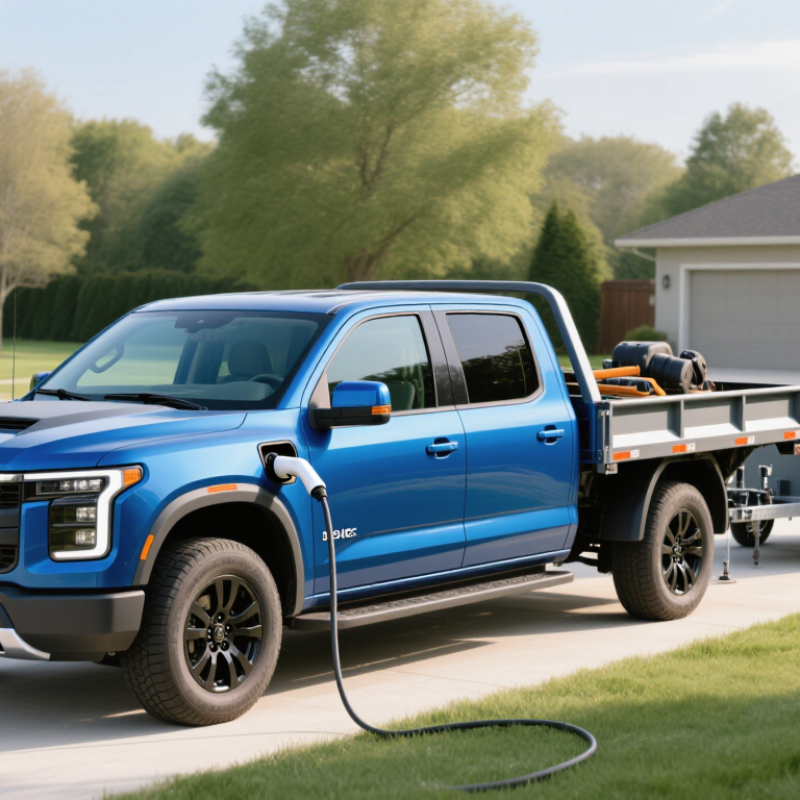
Before choosing an electric pickup, describe a normal workweek in concrete terms. Count passengers, tools, materials, and bed cargo. Payload includes more than the items in the cargo box. Trailer tongue weight also reduces the available payload.
Write down the heaviest load you expect to carry. Then check the vehicle’s official payload rating, axle limits, and towing capacity. Do not rely on advertisements alone. A loaded trailer can feel manageable on flat roads, yet become demanding on steep grades or loose surfaces. My first range estimate was too optimistic. Wind, cold weather, hills, and heavy cargo can reduce driving distance noticeably.
Towing needs careful planning. Estimate your usual trailer weight, not an ideal lightweight version. Compare that figure with the truck’s rated towing capacity and expected range. A trailer may require charging sooner than expected. Measure your daily route and identify reliable charging locations along it. Home charging is convenient, but confirm your electrical service can support the required equipment. Public chargers may be busy, unavailable, or slower in poor weather. Small details matter.
Leave some margin. Barely meeting the numbers can create stress. You may also need space for future equipment or family use. Test the seating, bed height, charging cable reach, and trailer connection before ordering. That practical check can reveal problems a specification sheet hides.
Tip 1: Treat EPA-estimated range as a controlled benchmark, not a promise. It helps compare electric pickups under similar testing conditions.
Tip 2: Check the battery size, payload rating, and wheel configuration. These details can change real driving range.
Tip 3: Review DOE charging-speed data for Level 2 and DC fast charging. A larger battery is not always faster to refill.
Tip 4: Confirm the truck’s maximum charging rate. The charging station may offer more power than the vehicle can accept.
Tip 5: Study the charging curve, not only the peak number. Charging may slow sharply after the battery reaches a high percentage.
Tip 6: Estimate your normal route. A 250-mile EPA range may shrink during cold weather, towing, or strong headwinds.
Tip 7: Compare useful miles gained per charging hour. That figure feels more practical than a maximum kilowatt rating.
Tip 8: Check your home electrical service before buying. Installation costs can change the ownership budget. DOE guidance can help explain charger levels and expected charging times.
Tip 9: Ask for independent testing when available. Official figures are valuable, but real conditions remain messy.
Tip 10: Leave a safety margin. I once underestimated winter energy loss while planning a long trip; the spreadsheet looked better than reality. Also inspect public charger locations, payment requirements, and operating hours. Charging data is helpful, but your routine matters more.
When buying an electric pickup truck, start with its GVWR, payload, and tow ratings. These numbers define safe operating limits.
GVWR is the truck’s maximum loaded weight. Subtract the curb weight from GVWR to estimate available payload. Remember that passengers, charging cables, tools, and hitch equipment use this capacity. A heavy trailer tongue can consume payload quickly. Check the door-jamb label, not only the sales brochure. That label matters.
SAE J2807 provides standardized procedures for evaluating tow performance. It considers trailer weight, acceleration, braking, handling, and performance on grades. Ask whether the published tow rating follows these procedures. Also confirm the tested configuration, battery condition, axle ratio, and required equipment. A rating may apply only to a specific setup. Sales language can be vague.
Real roads are less predictable. I once planned a long tow using a maximum rating, then noticed strong wind and steep hills reduced efficiency sharply. The range estimate changed faster than expected. Test the truck with a realistic trailer when possible. Leave room below the maximum rating for passengers, cargo, weather, and uneven roads. Recheck tire pressure and hitch loading before each trip. Even careful calculations can miss small items. That gap matters.
This illustrative calculation uses pounds: a 6,100 lb curb mass plus 900 lb of occupants and cargo and an 800 lb trailer tongue load produces a 7,800 lb loaded truck. The 8,500 lb GVWR leaves 700 lb of remaining payload capacity. SAE J2807 is a standardized towing-performance test procedure; always compare the vehicle’s published GVWR, payload, tow rating, and combined weight limits before buying.
When comparing an electric pickup, study its battery warranty before judging its range. Many warranties promise eight years or 100,000 miles, whichever comes first. That figure sounds reassuring, but the details may be narrow. Ask whether the policy covers complete battery failure, charging faults, or gradual capacity loss. Some plans protect capacity only when it drops below a stated percentage. Find that threshold in writing. A dashboard estimate is not enough.
Request the complete warranty booklet, rather than relying on a salesperson’s summary. Check whether coverage transfers to a second owner and whether labor costs are included. Also ask about exclusions involving accidents, flooding, unauthorized repairs, or commercial use. During a test drive, notice the battery percentage, estimated range, and charging speed. Record these details with the date and mileage. Small notes can become useful evidence later.
Keep service invoices and charging records in one folder. They may help clarify a warranty claim. I would also ask how battery testing is performed, because “reduced capacity” can be measured in different ways. This is easy to overlook. One imperfect assumption is treating the warranty length as a promise of original range. It is not. Read the capacity guarantee carefully, compare it with your expected annual mileage, and get uncertain answers in writing.
Buying an electric pickup requires more than checking driving range. Compare crash-test results from the Insurance Institute for Highway Safety and the National Highway Traffic Safety Administration. Look for strong occupant protection, effective automatic emergency braking, and reliable trailer stability features. Do not trust marketing language alone. Check the exact model year and cab configuration.
Calculate energy, insurance, tires, maintenance, financing, and home-charger costs. Consumer Reports estimated that electric vehicle owners could save $6,000 to $10,000 over a vehicle’s lifetime, mainly through lower maintenance and fuel expenses. Your result may differ. A pickup used for towing can consume far more energy. Include cold weather, heavy loads, and battery degradation in your spreadsheet. Mine would probably look too optimistic without those adjustments.
Charging access deserves ten practical checks: map home parking, confirm electrical capacity, price installation, locate workplace charging, inspect daily routes, check fast-charger power, verify connector compatibility, study towing-route gaps, compare public charging prices, and keep a backup plan. The International Energy Agency reported more than 3.5 million public charging points worldwide at the end of 2023, with public charging stock growing over 40% that year. Growth is real, but local coverage remains uneven. Use the U.S. Department of Energy’s Alternative Fuels Data Center to verify nearby ports and operating status. A charger that appears close may be busy, slow, or inconvenient for a long truck.
It provides a controlled comparison between electric pickups. It is not a promise. Cold weather, towing, headwinds, and heavy cargo can reduce real range. Use it as a starting point.
Check battery size, payload rating, and wheel configuration. Passengers, tools, and trailer equipment add weight. A larger battery does not guarantee proportionally longer range.
Review Level 2 and DC fast-charging data. Check the vehicle’s maximum charging rate. A station may offer more power than the truck can accept. Peak speed is only part of the story.
Charging may slow sharply at a high battery percentage. Compare useful miles gained per charging hour. That number may matter more than the highest advertised kilowatt figure.
Measure your regular distance, terrain, weather, and trailer needs. A 250-mile estimate can shrink during winter or steep climbs. Leave extra range for unexpected delays. My spreadsheet once looked too optimistic.
Inspect your home electrical service before buying. Installation costs can change the ownership budget. Confirm charger levels, expected charging times, and available circuit capacity.
GVWR is the maximum loaded vehicle weight. Subtract curb weight from GVWR to estimate payload. Passengers, cables, tools, hitch equipment, and trailer tongue weight consume it quickly.
Ask whether towing data follows standardized procedures for acceleration, braking, handling, and grades. Confirm the tested battery condition and equipment. For the battery, request written coverage details, including capacity loss, labor, transfers, and exclusions. Many policies use eight years or 100,000 miles, whichever comes first. Keep charging records and service invoices. Small details matter.
Buying an Electric Pickup Truck starts with matching the vehicle to your real-world needs. Consider expected payload, towing demands, daily driving distance, climate, and access to home or public charging. Compare the advertised EPA-estimated range with dependable data on charging speed, since a larger battery does not always mean shorter charging times. Also verify the gross vehicle weight rating, payload capacity, and towing limits, preferably using ratings tested under SAE J2807 standards. These figures can change with passengers, cargo, trailer weight, weather, and road conditions.
Battery protection is another important factor. Review the warranty’s duration, mileage limit, capacity-retention terms, and exclusions; coverage is commonly around eight years or 100,000 miles, but details vary. Finally, compare independent safety ratings, insurance and maintenance expenses, energy costs, financing, and expected resale value. Check charging availability along your regular routes and confirm that local infrastructure supports the vehicle’s connector and charging requirements. A careful comparison will help you choose a practical, safe, and cost-effective electric truck.
