
Worlink Worlink

Top Tips for Choosing the Best Hybrid Electric Vehicle?

Time:2026-06-24 Author:Henry
0%

Choosing the right Hybrid Electric Vehicle is crucial in today's eco-conscious world. These vehicles promise reduced emissions and better fuel efficiency. However, selecting one requires careful consideration.

When looking for a Hybrid Electric Vehicle, it's important to evaluate your personal needs. Think about your driving habits, daily commute, and local charging infrastructure. Each model offers different features and capabilities. Focusing on aspects like mileage, battery life, and comfort can significantly influence your choice.

Moreover, it's wise to research brands and read reviews. Some manufacturers excel in reliability and performance, while others may fall short. Shopping in this category can feel overwhelming. The options may seem endless, making it difficult to identify what suits you best. Ultimately, a balanced approach to information will guide you toward the ideal Hybrid Electric Vehicle for your lifestyle.
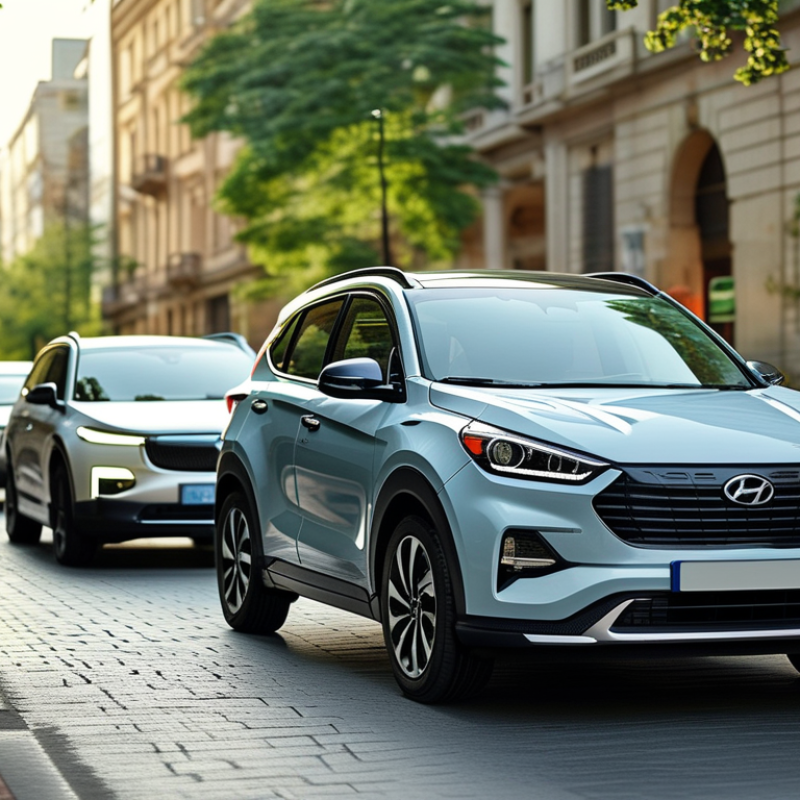
Top Tips for Choosing the Best Hybrid Electric Vehicle?

Factors to Consider When Choosing a Hybrid Electric Vehicle

Choosing a hybrid electric vehicle (HEV) requires careful consideration of multiple factors. One key aspect is fuel efficiency. According to the U.S. Department of Energy, many hybrid models achieve 40-60 miles per gallon, significantly higher than traditional gasoline vehicles. This efficiency can save drivers hundreds of dollars on fuel annually, making it a critical point of evaluation.

Another important factor is the vehicle's electric-only range. Some hybrids offer a limited electric-only mode, which is useful for short commutes. A report from the International Energy Agency suggests that hybrids can reduce emissions by up to 30% compared to conventional cars. However, it’s essential to assess whether the electric range fits your daily needs. If your driving habits exceed this range regularly, consider how a hybrid may or may not suit your lifestyle.

Battery life also deserves attention. Many HEVs come with warranties of eight years or more, but battery degradation is a reality over time. Research highlights that battery performance may decline after several years, affecting overall vehicle efficiency. Potential buyers should contemplate how long they intend to keep the vehicle, as this can impact total ownership costs and overall satisfaction. Carefully weighing these factors will lead to a more informed decision.

Understanding Different Types of Hybrid Electric Vehicles Available

When choosing a hybrid electric vehicle (HEV), understanding the types is crucial. There are mainly three types: mild, full, and plug-in hybrids. Mild hybrids use both an electric motor and a gasoline engine. However, the electric motor cannot solely power the vehicle. This type enhances fuel efficiency without extensive electric features.

Full hybrids can run entirely on electricity or gasoline alone. They offer more flexibility for drivers, especially in city driving. With a more robust battery system, they can switch between power sources seamlessly. In contrast, plug-in hybrids allow for charging the battery independently from the gasoline engine. This feature is beneficial for those who can charge at home or work. Short trips can often be completed using only electric power.

While these types offer different advantages, they aren't without their drawbacks. Mild hybrids may not provide significant fuel savings compared to traditional vehicles. Full hybrids might require more maintenance due to the complexity of their systems. Furthermore, plug-in hybrids can be expensive, and the charging infrastructure can be limiting. Weighing these options carefully will lead to a more informed decision.

Top Tips for Choosing the Best Hybrid Electric Vehicle

Type of Hybrid Vehicle Fuel Efficiency (MPGe) Electric Range (miles) Seating Capacity Price Range ($)
Plug-in Hybrid 100 MPGe 25 5 30,000 - 50,000
Full Hybrid 55 MPGe 0 (battery cannot be charged externally) 5 25,000 - 40,000
Mild Hybrid 45 MPGe N/A 5 20,000 - 35,000
Series Hybrid 75 MPGe 50 4 40,000 - 60,000

Key Performance Metrics to Evaluate in Hybrid Electric Vehicles

When selecting a hybrid electric vehicle (HEV), evaluating key performance metrics is crucial. Key metrics include fuel efficiency, electric range, and battery life. According to the U.S. Department of Energy, HEVs can achieve up to 50 miles per gallon, significantly reducing fuel costs. This fuel efficiency impacts long-term ownership expenses.

Another important factor is the electric range. Many modern hybrids can operate entirely on electric power for short distances. Studies suggest that HEVs with an electric range of at least 20 miles offer substantial benefits for daily commutes. This feature allows drivers to minimize gasoline use, especially in urban areas.

Battery life is often overlooked but essential. A study by Consumer Reports highlighted that HEV batteries can last between 8 to 15 years. However, battery degradation can complicate performance over time. Prospective buyers should inquire about battery warranties and replacement costs. Understanding these metrics can help buyers make informed decisions, ensuring they select a vehicle that meets their needs for efficiency and sustainability.

Cost and Incentives: Budgeting for Your Hybrid Electric Vehicle

When considering a hybrid electric vehicle (HEV), budgeting is crucial. The initial purchase price often catches buyers off guard. While HEVs can be more expensive than traditional vehicles, many governments offer incentives. These can include tax credits, rebates, and lower registration fees. Researching local programs can significantly reduce upfront costs.

Fuel savings can also impact your budget. HEVs typically consume less fuel than conventional cars. However, fuel prices can fluctuate, affecting your savings. It's important to calculate potential savings based on current rates and your driving habits. Take time to assess your daily commute and calculate your typical fuel costs.

Maintenance costs are another crucial factor. Hybrid vehicles may require specialized services, which could be pricier. Ensure you understand what maintenance your chosen model needs. Some may require less frequent servicing, while others may need more. Research and reflect upon these factors as they will influence your overall budget and long-term satisfaction.

Environmental Impact: Assessing the Eco-Friendliness of Hybrids

When assessing the eco-friendliness of hybrid electric vehicles (HEVs), it’s essential to consider their environmental impact at every stage. The production of batteries often involves mining raw materials, which can harm ecosystems. Not all hybrids are created equal. Some may use power sources that are less sustainable, such as fossil fuels in electricity generation.

Driving habits also play a crucial role. A hybrid can achieve better fuel economy, but only if driven efficiently. Many consumers may not realize that aggressive driving can negate the eco-benefits of these vehicles. Routine maintenance is vital as well. A poorly maintained vehicle can emit more pollutants, undermining its environmental advantages.

Real-life impacts show mixed results. While HEVs produce fewer emissions than conventional cars, their total lifecycle footprint can be significant. Factors such as battery disposal and recycling must be addressed. As consumers become more aware, they should ask about the entire environmental profile of hybrids, not just their immediate benefits.

FAQS

: What are the key performance metrics to consider for hybrid electric vehicles?

: Important metrics include fuel efficiency, electric range, and battery life. These factors influence overall vehicle performance.

How fuel-efficient are hybrid electric vehicles?

Many HEVs can achieve up to 50 miles per gallon. This improves fuel savings over time, especially for regular commuters.

What electric range should I look for in a hybrid?

Look for hybrids with an electric range of at least 20 miles. This can greatly reduce gasoline use in urban driving.

How long do HEV batteries typically last?

HEV batteries usually last about 8 to 15 years. However, their performance may degrade as they age, which is important to consider.

Are there any incentives available for purchasing a hybrid vehicle?

Many governments offer incentives like tax credits and rebates. Research local options to lower your initial purchase costs effectively.

How can fuel savings impact my hybrid vehicle budget?

HEVs generally consume less fuel than conventional cars. Calculate potential savings based on driving habits and current fuel prices.

What should I know about HEV maintenance costs?

Maintenance costs for hybrids can be higher. Understand specific maintenance needs, as some models may require more specialized service.

Are hybrid vehicles truly eco-friendly?

While HEVs emit fewer pollutants, their production impacts ecosystems. Consider the entire lifecycle effects before making a decision.

How do driving habits affect the eco-friendliness of hybrids?

Efficient driving maximizes fuel economy. Aggressive driving can negate the environmental benefits often associated with hybrids.

What factors influence the overall environmental impact of hybrids?

Consider battery disposal, recycling, and the sustainability of power sources. These factors contribute to the overall eco-footprint of hybrids.

Conclusion

When choosing a Hybrid Electric Vehicle (HEV), several critical factors need to be taken into account. Understanding the different types of hybrids available on the market can help potential buyers make informed decisions. Evaluating key performance metrics, such as fuel efficiency and battery life, is essential for determining which vehicle best meets individual needs. Furthermore, it's important to consider the overall cost, including potential incentives, to ensure the HEV fits within your budget.

Additionally, assessing the environmental impact of hybrid electric vehicles is vital for those looking to reduce their carbon footprint. By evaluating the eco-friendliness of various models, consumers can choose a vehicle that aligns with their environmental values. Ultimately, by taking these considerations into account, prospective buyers can find the best Hybrid Electric Vehicle that suits their lifestyle and priorities.

Henry

Henry

Henry is a dedicated marketing professional with a profound expertise in the company's offerings. With years of experience in the industry, he possesses an impressive understanding of the market dynamics and consumer behaviors that drive success. Henry is committed to sharing his insights through......