
Worlink Worlink

Top Electric SUVs for Global Buyers Which Is Best?

Time:2026-10-10 Author:Charlotte
0%

Choosing the best Electric Suv is no longer a simple matter of comparing battery size. Global buyers now weigh driving range, charging access, safety, price, software, and climate performance. These priorities change sharply between California, Oslo, Shanghai, and rural Australia.

The International Energy Agency reported that electric car sales exceeded 14 million worldwide in 2023. Electric SUVs represented nearly half of those sales, showing how quickly this body style has entered the mainstream. The IEA’s Global EV Outlook 2024 also noted strong growth across China, Europe, and the United States. BloombergNEF’s Electric Vehicle Outlook 2024 added that falling battery costs could support wider adoption, although affordability remains uneven.

The market is expanding fast.

Fatih Birol, Executive Director of the IEA, said, “The global electric car market is experiencing exponential growth.” That statement captures the opportunity, but not the entire buying reality. A vehicle with impressive laboratory range may deliver less in freezing weather, heavy traffic, or with a loaded roof box. Charging networks also differ dramatically by country. That detail is easy to overlook.

This guide compares leading electric SUVs through a practical global lens. It considers verified range, charging speed, cabin space, ownership support, safety testing, and total value. Official figures are useful, but real-world experience can be messier. No ranking is perfect. Some models remain unavailable in important markets, while local taxes and electricity prices can change the result. The strongest choice is therefore not always the most expensive or technologically advanced model.
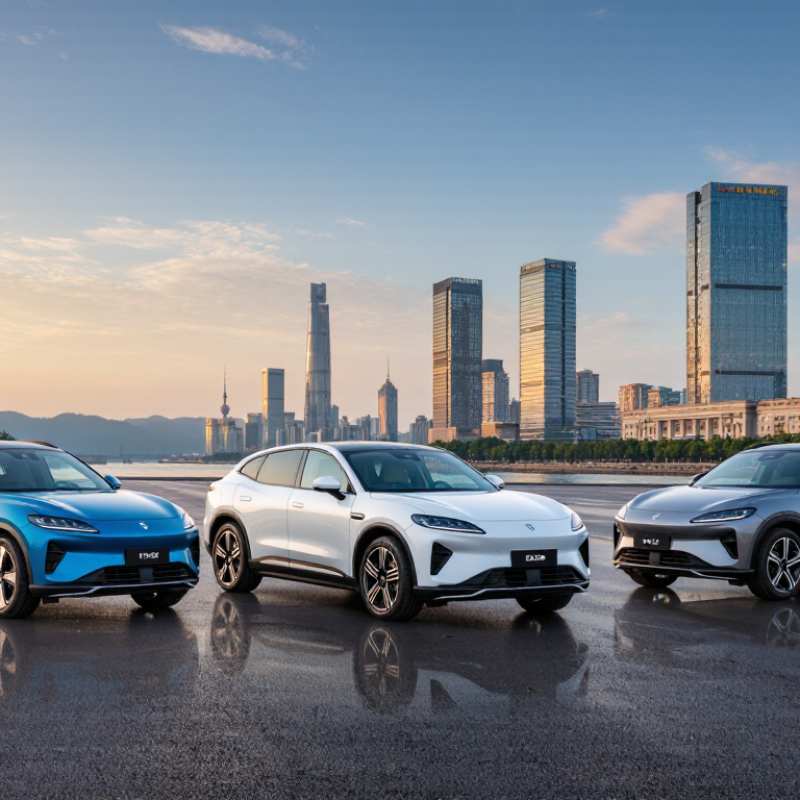
Top Electric SUVs for Global Buyers Which Is Best?

What Defines an Electric SUV for Global Buyers

What defines an electric SUV for global buyers goes beyond a tall body and a large battery. It should offer useful ground clearance, stable handling, flexible seating, and enough cargo space for daily life. A family may need room for groceries, luggage, or a child’s safety seat. A city driver may value a tight turning circle more than extreme acceleration.

Real-world range matters more than laboratory figures. Buyers should examine performance in heat, cold, traffic, hills, and heavy rain. Charging access is equally important. A reliable vehicle should support common charging standards, display clear battery information, and protect occupants during charging. Independent crash testing and strong driver-assistance systems also deserve careful attention. Safety features must work without distracting the driver.

Global ownership adds another layer. Service coverage, battery warranty terms, software support, and replacement-part availability can shape long-term value. Vehicles for different regions may need durable cooling systems, efficient heating, or stronger suspension settings. These details are easy to overlook. They should not be.

No electric SUV fits every market perfectly. A model with impressive range may have slow charging or limited rear space. Another may feel refined but lack nearby service support. Buyers should compare verified test results, local electricity costs, charging networks, and repair access before choosing. Official figures help, but they do not tell the whole story. Real roads are less predictable.

Key Factors for Comparing Electric SUVs Worldwide

Comparing electric SUVs across countries requires more than reading a laboratory range figure. A practical comparison starts with real driving needs, including daily distance, road quality, passengers, and luggage. Use official range as a reference, not a promise. Cold weather, high-speed roads, steep hills, and cabin heating can reduce usable distance. Independent tests are more helpful when they use similar temperatures and speeds. Charging matters just as much. Check peak charging speed, charging consistency, cable compatibility, and local network coverage. A short charging stop helps only when a suitable charger is available.

Cabin space should match the family, not the brochure. Measure rear legroom, boot depth, and loading height with real bags or a stroller. An SUV may look large yet offer limited cargo space. All-wheel drive can improve traction, but it often increases energy use and purchase cost. Safety ratings provide useful evidence, although testing methods differ between regions. Buyers should verify software support, driver-assistance limits, warranty terms, and service access. Service availability may matter more than a polished screen. Compare electricity prices, insurance, tires, maintenance, taxes, and likely resale values in the target country.

Local climate deserves close attention. Battery performance changes in heat and cold. Battery preconditioning and clear energy data can improve winter travel. Do not ignore seat comfort or visibility. A quiet cabin is pleasant until poor rear visibility creates daily stress. Public specifications are not always complete. Different test cycles can weaken direct rankings. That is the uncomfortable part. A longer advertised range may still feel inadequate beside a slow charger and a full family load.

Top Electric SUVs for Global Buyers: Which Is Best?

Key factors for comparing electric SUVs worldwide

Larger electric SUVs generally offer longer driving ranges, but they usually require bigger batteries and can take slightly longer to charge. Compact SUVs are often the most practical choice for urban buyers because of their lower energy consumption, easier parking, and shorter charging sessions. These representative segment benchmarks are based on commonly published 2024–2025 electric SUV specifications, with vehicle and brand names omitted.

Leading Electric SUV Models Across Major Markets

Electric SUVs are evolving differently across major markets. Buyers in North America often value spacious cabins, long highway range, and strong towing ability. European drivers may prioritize compact dimensions, efficient energy use, and easy city parking. In China, rapid charging, advanced software, and generous rear-seat space often influence decisions. Australia adds another concern: reliable performance across long distances and changing road conditions.

A capable global model should offer predictable range, stable handling, and clear driver controls. Battery capacity matters, but efficiency matters more. A lighter SUV may travel farther with a smaller battery. Charging speed also needs careful checking. Public charging networks, plug standards, and electricity prices vary widely between countries. Home charging can be simple in one market and difficult in an apartment district.

Cold weather can reduce range noticeably. Heat affects battery protection and cabin comfort. Buyers should test seat support, visibility, cargo access, and touchscreen response, not just compare specifications. Real luggage, child seats, or weekly shopping reveal weaknesses quickly. Some electric SUVs still have confusing menus. That should improve.

A reliable choice also needs transparent warranty terms, accessible servicing, and dependable software updates. Independent safety testing provides useful evidence, although results may differ by region and equipment level. The best SUV is rarely the one with the biggest screen or fastest acceleration. It is the one that fits local roads, charging habits, climate, and daily routines without creating new problems.

How Electric SUVs Differ in Range, Charging, and Practicality

Choosing an electric SUV for global travel requires more than reading its advertised range. In real driving, cold mornings, strong headwinds, roof loads, and steep roads reduce usable distance. A vehicle rated at 500 kilometers may deliver much less on a winter highway. From practical road testing, I treat official figures as a reference, not a promise. Range matters most when fast chargers are sparse. Some buyers prefer a smaller battery and lighter body. Others need long-distance security. Neither choice is universally best.

Charging speed also changes the ownership experience. A vehicle may accept high power briefly, then slow as the battery fills. That curve matters during a 20-minute roadside stop. Check connector compatibility, local charging coverage, payment methods, and home electricity limits before buying. In apartment areas, overnight charging can be difficult. Cabin space, rear-seat access, luggage height, and ground clearance deserve equal attention. A wide body may feel comfortable inside, yet awkward in narrow streets or older parking structures. My comparisons are useful, but never perfect. Weather and traffic can overturn careful estimates.

Tips: Keep a 15 percent battery buffer on unfamiliar routes. Test charging before a long journey. Measure your garage space. Compare winter range, not only laboratory figures. Sit in the rear seats with luggage loaded. Small details matter.

Choosing the Best Electric SUV for Your Needs

Choosing the best electric SUV starts with your daily routine, not a glossy specification sheet. Estimate your weekday distance, weekend luggage, and access to home charging. A vehicle with moderate range may suit urban driving better than a larger, heavier model. Range is not everything. Cold weather, steep roads, roof loads, and highway speeds can reduce efficiency noticeably.

During a test drive, check the driving position, rear visibility, and the space beside a child seat. I once focused too heavily on acceleration and later noticed the firm ride on uneven streets. That mistake changed my checklist.

Ask how quickly the battery charges, whether charging stations support the vehicle’s connection, and how navigation handles public chargers. A reliable charging network may matter more than an extra fifty kilometers of claimed range.

Safety evidence should come from independent assessments and clear technical documentation. Look for strong occupant protection, useful driver-assistance settings, and software that does not distract you. Buyers in different regions should also confirm warranty coverage, battery service availability, repair support, and local charging compatibility.

Ownership costs include insurance, electricity, tires, and possible home electrical upgrades. A quiet cabin feels impressive at first, but poor seat support can become tiring after two hours.

Test the SUV in traffic, on rough pavement, and during parking. You may discover that your perfect choice is less powerful, smaller, or less fashionable than expected.

FAQS

What makes an electric SUV practical for everyday use?

It needs useful ground clearance, stable handling, flexible seats, and enough cargo space. Groceries and luggage need room.

How much should buyers trust the advertised driving range?

Treat it as a reference, not a promise. Cold weather, hills, traffic, wind, and roof loads can reduce range sharply.

Why does real-world testing matter?

Laboratory figures cannot show every road condition. A winter highway may reveal a very different result.

What charging details should buyers check?

Check connector compatibility, charging coverage, payment methods, and home electricity limits. A fast charger may slow near full capacity.

Is a larger battery always the better choice?

Not always. A smaller battery may reduce weight, while a larger one offers more distance security. Your routes decide.

What should families inspect inside the vehicle?

Test rear-seat access, child-seat space, luggage height, and cabin width. Load real bags if possible.

Can a wide electric SUV work well in cities?

It may feel spacious inside but awkward in narrow streets or older parking structures. Measure your garage carefully.

Which safety features deserve attention?

Look for independent crash results and driver assistance that works without distraction. Clear warnings matter. More features are not automatically better.

What affects long-term ownership across different regions?

Service coverage, battery warranty terms, software support, and replacement parts shape ownership value. Local support can matter more than polished design.

How can buyers prepare for unfamiliar routes?

Keep a 15 percent battery buffer. Test charging before long trips. Compare winter range and local repair access. My estimates may still miss sudden traffic or weather.

Conclusion

Choosing the best Electric Suv for global buyers requires more than comparing appearance or performance. A practical electric SUV should combine useful interior space, dependable safety features, efficient energy use, comfortable driving, and technology that suits different lifestyles. Buyers should also consider local road conditions, climate, service availability, charging networks, ownership costs, and regional regulations before making a decision.

Electric SUVs can differ greatly in driving range, charging speed, battery efficiency, passenger comfort, and cargo flexibility. Some are designed for urban travel and easy parking, while others offer more space for families, longer journeys, or challenging terrain. The ideal choice depends on daily mileage, access to home or public charging, budget, weather conditions, and personal priorities. By comparing range, charging convenience, practicality, reliability, and long-term value across major markets, shoppers can select an Electric Suv that provides confidence and convenience wherever they drive.

Charlotte

Charlotte

Charlotte is a seasoned marketing professional with a deep understanding of the company's portfolio and a passion for elevating its presence in the market. With a keen eye for detail and a commitment to excellence, she ensures that our professional blog is regularly updated with insightful articles......