
Worlink
As the world shifts towards sustainable mobility, the interest in electric vehicles (EVs) continues to grow rapidly. Many drivers now seek efficient solutions that reduce environmental impact without sacrificing performance. This article will explore the "Top EV Cars" available today, showcasing models that combine cutting-edge technology with practicality.
When considering an electric vehicle, it's crucial to evaluate factors like range, charging infrastructure, and safety. Brands are innovating quickly, yet some still struggle with consistency in quality. Potential buyers should reflect on their specific needs—ranging from daily commutes to longer road trips.
While numerous options exist, not all "Top EV Cars" may fit your lifestyle perfectly. Some models offer advanced features but might lack in affordability or availability. This guide will provide insights to help you make an informed decision, highlighting the best contenders, each with its advantages and limitations.
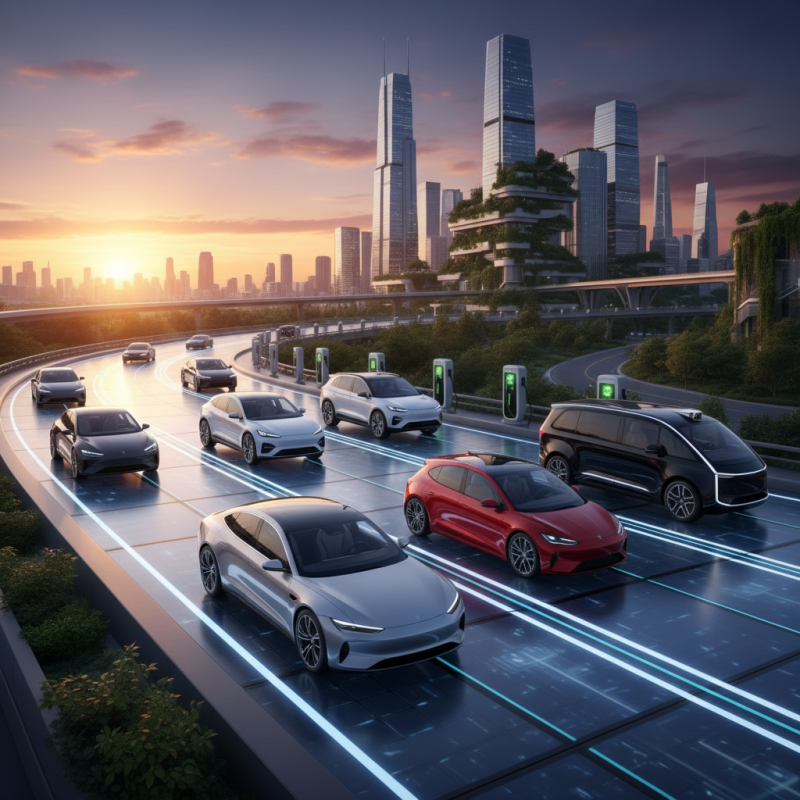
As electric vehicles (EVs) continue to evolve, 2023 presents exciting options for potential buyers. These vehicles boast advanced technology and innovative features. Consider factors like range, charging infrastructure, and resale value when making a choice. Battery life and maintenance are critical aspects as well.
Tips: Research available incentives for EV purchases. Many regions offer tax credits or rebates. A well-informed buyer can save significantly. Always check for local charging stations. A robust network ensures convenient travel. Evaluate your driving habits; a vehicle's range should align with your lifestyle.
Some models may fall short in certain areas. Limited trunk space, for example, can affect usability. Range anxiety is another common concern. While advancements are being made, not all models offer seamless performance. Testing drive options can reveal these shortcomings. Prioritize reliability when choosing your electric vehicle. It’s essential for long-term satisfaction.
When considering electric vehicles, key features are crucial for making the right choice.
Battery range is one of the most important aspects. Buyers should look for vehicles that can cover at least
200 miles on a single charge. This distance meets the needs of daily commuting and weekend trips alike.
Charging infrastructure is equally essential. Many potential owners may overlook the availability of charging stations in their area. It’s vital to ensure
convenient access to charging options at home and nearby.
Fast charging capabilities also enhance the practicality of owning an electric vehicle,
allowing for shorter waiting times during long journeys.
Another aspect to evaluate is safety features. Look for advanced driver-assistance systems that improve
driving experience and protect passengers. However, it's important to understand that technology can sometimes be flawed
and require updates. The overall build quality also matters. While electric vehicles often have a lower center of gravity, which improves stability,
construction flaws can lead to safety concerns. Being aware of these factors can help in making an informed decision.
Electric vehicles (EVs) are shaping the future of transportation. A recent report from the International Energy Agency highlights that global EV sales doubled in 2021. This trend continues as consumers seek sustainable options. However, choosing the right EV can be overwhelming due to various models and features.
When evaluating electric vehicle models, consider battery range and charging infrastructure. The average range of newer models is approximately 300 miles, catering to long-distance drivers. Some models fully charge in under 30 minutes, making long trips more feasible. Nonetheless, some models still struggle with range anxiety, revealing a gap in charging stations in rural areas.
Tips: Look for vehicles with at least 250 miles range for daily commuting. Research charging options in your area before purchasing.
Select an EV that balances price and performance. Many studies indicate that total cost of ownership can be lower for EVs compared to traditional cars. Yet, upfront costs remain a barrier for some buyers. It's crucial to weigh the benefits against the initial investment.
Tips: Review government incentives for EV purchases, as they can significantly lower costs.
When thinking about electric vehicles (EVs), it's crucial to consider the total cost of ownership. This encompasses not just the initial purchase price but also factors like maintenance, insurance, and charging costs. EVs often require less maintenance due to fewer moving parts. However, some repairs can be expensive when they do arise. Battery replacement, for example, might incur a significant cost later on.
Charging your EV is another vital aspect. Home charging is convenient and can reduce costs when compared to gas stations. Still, public charging networks vary greatly in pricing. Some might charge premium rates, impacting your budget. Additionally, your electricity costs will influence overall expenses. Research local rates and available home charging options to make an informed decision.
Resale value also plays a role in the total cost of ownership. As the market for EVs is evolving, the depreciation rate can be unpredictable. Some models hold their value better than others, and keeping an eye on market trends is essential. Understanding these elements will ultimately guide potential buyers in making the best financial choice.
The electric vehicle (EV) market is evolving rapidly. According to a recent report by the International Energy Agency (IEA), global EV sales reached over 6.6 million units in 2021, representing a staggering 108% increase from the previous year. This growth is indicative of the shifting consumer preferences towards sustainable transportation. With more governments implementing incentives for EV adoption, market growth is expected to continue its upward trajectory.
Technological advancements are also driving this change. Battery technology is improving, leading to increased range and reduced charging times. Research suggests that battery costs could drop by 50% by 2030, making EVs more accessible to consumers. As charging infrastructure expands, range anxiety among potential buyers is likely to decrease, further boosting market growth.
**Tip:** Consider your daily driving habits. If you drive under 40 miles a day, many EVs will meet your needs perfectly.
Still, challenges remain. The production of battery materials poses ethical and environmental concerns. Additionally, the market's rapid growth may lead to a saturation point. Consumers must weigh the benefits and drawbacks carefully.
**Tip:** Stay informed about advancements in EV technology. Knowledge helps make a well-rounded purchase decision.
As electric vehicles shape the future of transportation, understanding these trends is essential for anyone considering an EV as their next vehicle.
| Model | Range (miles) | Charging Time (hours) | Price (USD) | Market Availability |
|---|---|---|---|---|
| Compact EV | 250 | 6 | $30,000 | North America, Europe |
| Luxury EV | 370 | 8 | $80,000 | Global |
| SUV EV | 300 | 7 | $50,000 | North America, Asia |
| Pickup EV | 320 | 5 | $55,000 | North America |
| City EV | 200 | 4 | $25,000 | Europe, Asia |
: Evaluate range, charging infrastructure, and resale value. Consider your driving habits too.
Look for vehicles with at least 200 miles of range. This is ideal for daily use.
Many regions offer tax credits or rebates. Research options available in your area.
Focus on battery range, charging options, and safety features. Reliability is also key.
Check for local charging stations before buying. Fast charging capabilities enhance convenience.
Limited trunk space and range anxiety are notable issues. Testing drives can reveal potential shortcomings.
EV sales increased by 108% in 2021, driven by consumer interest and government incentives.
Battery material production raises ethical issues. Rapid growth may lead to market saturation.
Watch for improvements in battery technology and charging infrastructure. Stay informed for better decisions.
Reliable EVs ensure long-term satisfaction and peace of mind during travels. Consider this factor seriously.
The article "Top Electric Vehicles to Consider for Your Next Purchase?" explores the best electric vehicles (EVs) of 2023, providing a comprehensive overview of the top EV cars available in the market. It highlights key features that buyers should consider, such as battery range, charging infrastructure, and advanced technology options. A comparative analysis of leading models offers insights into performance and user experience, helping potential buyers make informed decisions.
Moreover, the piece addresses the total cost of ownership for electric vehicles, including maintenance and energy costs, which are critical for long-term budgeting. Finally, it delves into future trends in EV technology and market growth, emphasizing the ongoing innovations that promise to enhance the electric driving experience. This summary equips readers with essential knowledge as they navigate their next vehicle purchase in the evolving landscape of electric mobility.
