 Worlink
Worlink
Worlink
As the electric vehicle (EV) market grows, many consumers are considering their next purchase. The rise of EV cars has transformed our concept of personal transportation. According to Dr. Emily Carter, an EV industry expert and author of "The Future of Green Mobility," “Choosing the right EV is more than just picking a car; it’s about embracing a sustainable lifestyle.” This statement highlights the importance of informed decision-making when selecting an EV car.
With various models available, potential buyers face a plethora of options. Some may focus solely on performance, while others consider environmental impact or overall value. Each choice carries weight. There are excellent options, but not every EV will perfectly fit every driver’s needs. Individuals must assess their driving habits, budget, and values. The electric vehicle landscape is full of possibilities, yet it is essential to approach this market with realistic expectations.
The top 10 EV cars discussed in this article aim to guide those contemplating their next purchase. In such a rapidly evolving field, staying informed about technological advancements and model specifications can be daunting. However, understanding these factors is crucial. The journey toward sustainable driving should be exciting yet measured. Embracing the advancements of EV cars means acknowledging both their strengths and limitations.
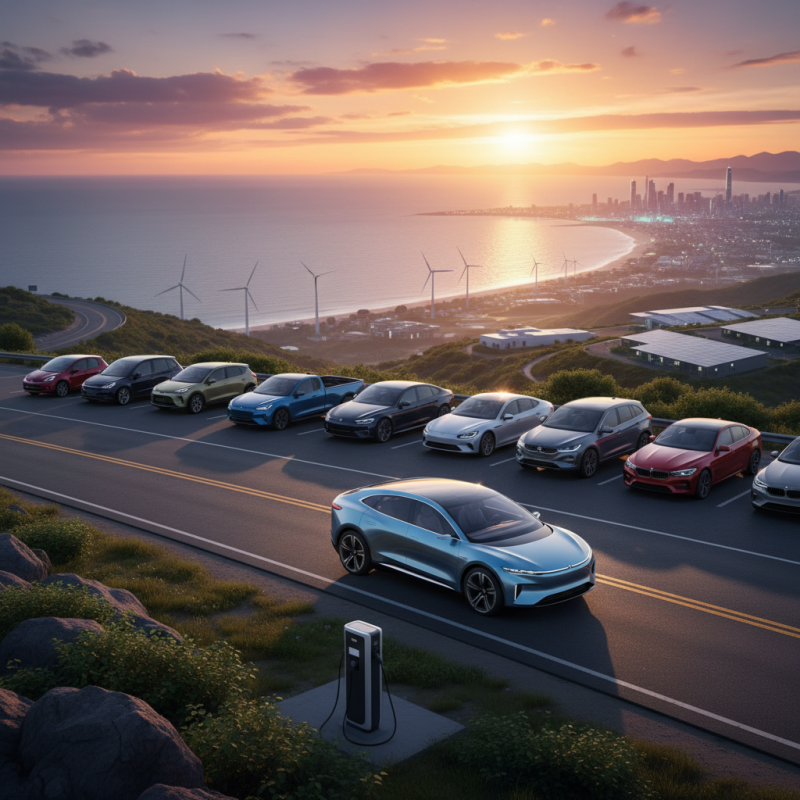
Electric vehicles (EVs) are transforming the automotive landscape. The global EV market reached approximately 6.7 million units sold in 2021, showing a significant growth of 108% from the previous year. This surge is driven by concerns over climate change and the desire for sustainable transportation options. The full lifecycle of an EV shows its carbon emissions can be significantly lower than traditional vehicles, offering a cleaner alternative.
Drivers also benefit from lower operating costs. EVs typically have fewer moving parts, reducing maintenance expenses. According to a 2022 report, electricity is often cheaper than gasoline, saving owners money over time. While there are concerns about charging infrastructure, 80% of EV owners charge their vehicles at home. This leads to convenience and cost-effectiveness, albeit the need for installations may not be feasible in some areas.
Despite the progress, the EV market has challenges. Limited range and longer refueling times compared to conventional cars can deter potential buyers. Consumer awareness is still fluctuating. Many still wonder about battery lifespan and recycling options, which are critical for sustainability. Addressing these issues is essential for the broader acceptance and success of EVs in the future.
| Model | Range (miles) | Charging Time (Hours) | Top Speed (mph) | Price ($) |
|---|---|---|---|---|
| Model A | 300 | 8 | 120 | 40,000 |
| Model B | 250 | 6 | 130 | 35,000 |
| Model C | 370 | 4 | 150 | 55,000 |
| Model D | 320 | 8 | 125 | 45,000 |
| Model E | 280 | 5 | 135 | 50,000 |
| Model F | 305 | 7 | 140 | 60,000 |
| Model G | 310 | 9 | 115 | 55,000 |
| Model H | 400 | 3 | 160 | 70,000 |
| Model I | 330 | 6 | 130 | 57,000 |
| Model J | 290 | 5 | 125 | 42,000 |
: EVs are cars powered by electricity instead of fossil fuels. They offer a cleaner alternative to traditional vehicles.
Global EV sales reached about 6.7 million units in 2021, showing a growth of 108% from the previous year.
Drivers enjoy lower operating costs and reduced maintenance due to fewer moving parts. This can save money over time.
Many worry about charging infrastructure. However, 80% of EV owners charge their cars at home, improving convenience.
Daily driving range and local charging options are crucial. Knowing your needs helps select the right model for your lifestyle.
Most EV batteries last between 8 to 15 years. Battery health affects performance, so warranties are important.
The industry is moving toward solid-state batteries. These promise longer ranges and faster charging times, addressing consumer concerns.
By 2040, EVs may account for 58% of global passenger vehicle sales, driven by battery advancements and environmental awareness.
The demand for raw materials, like lithium, may create supply chain issues. Sourcing must be responsible to ensure sustainability.
Many potential buyers have concerns about battery lifespan and charging. Addressing these issues is crucial for broader acceptance of EVs.
Electric vehicles (EVs) have become a significant consideration for consumers looking to make environmentally friendly choices. They offer numerous benefits, including reduced carbon emissions, lower operating costs, and the potential for renewable energy use. When selecting an EV car, it's essential to evaluate factors such as driving range, charging infrastructure, and how well the vehicle fits your lifestyle and needs.
In this article, we explore the top 10 EV cars currently available, comparing their features, pricing, and performance to help prospective buyers make informed decisions. Moreover, we discuss the environmental impact of EVs in contrast to traditional vehicles and examine future trends in EV technology, signaling growth within the market. With this information, consumers can better appreciate the shift towards electric mobility and the advantages that come with embracing an EV car.
