 Worlink
Choosing a Hybrid Electric Vehicle is no longer only about saving fuel. Global buyers also consider reliability, battery durability, cabin comfort, charging access, and long-term ownership costs. A useful comparison must look beyond showroom promises. It should examine real driving conditions, including crowded city streets, steep roads, hot climates, and cold mornings.
Takeshi Uchiyamada, widely associated with the development of the Toyota Prius, once said, “There is no silver bullet when it comes to reducing CO2 emissions.” That observation remains important. Hybrid technology can lower fuel use, but results vary with driving habits, vehicle size, maintenance, and local energy conditions. A compact hybrid may perform differently from a large hybrid SUV. Even the best model has compromises.
This Top 10 Hybrid Electric Vehicle guide evaluates leading choices for international buyers through practical criteria. These include fuel economy, safety equipment, warranty support, resale strength, passenger space, and powertrain reputation. It also considers ownership realities, such as replacement-parts availability and service expertise. Those details matter.
Numbers can mislead.
Laboratory efficiency figures may not match daily traffic. A smooth test drive may hide expensive tires or limited rear space. Some rankings may also favor familiar brands too heavily. That deserves reflection. The strongest choice depends on the buyer’s country, budget, family needs, and road conditions. This guide aims to provide balanced information, not a universal answer. A careful buyer should confirm local pricing, emissions rules, warranty terms, and dealer support before purchasing.
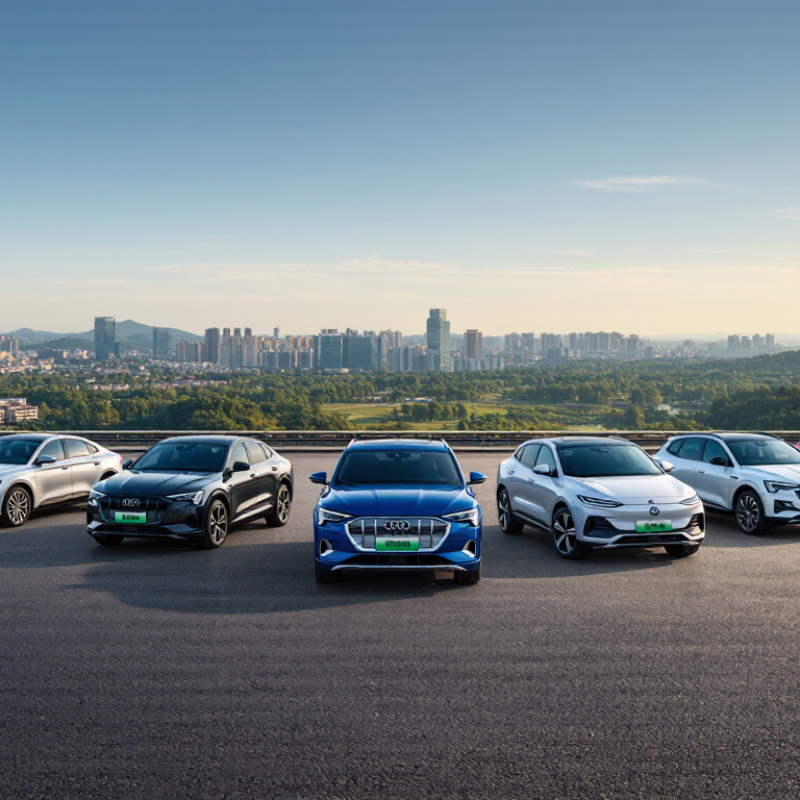
A hybrid electric vehicle combines an internal-combustion engine with one or more electric motors. Its rechargeable battery stores energy for short, efficient driving periods. Power comes from fuel, electricity, or both.
The electric motor can move the vehicle during slow traffic and gentle acceleration. The engine usually supports higher speeds, heavier loads, or long-distance travel. Regenerative braking is another core feature. When the vehicle slows, the motor works like a generator and sends energy back to the battery. This process reduces wasted heat, although it cannot recover every bit of energy.
Hybrid systems differ in battery size and control strategy. Some recharge mainly through braking and engine operation. Others can use external charging and travel farther without engine assistance. Automatic software selects the power source within milliseconds, based on speed, battery level, road slope, and driver input.
In daily driving, the transition between power sources may feel almost invisible. Sometimes it is not. Cold weather, steep hills, and a low battery can make the engine run more often. Fuel savings also depend on traffic, tire pressure, driving habits, and maintenance. A careful buyer should examine real-world test results, battery warranty terms, cabin space, and repair support rather than trusting laboratory figures alone. The most useful hybrid is not always the most technologically complex one.
A practical comparison of leading hybrid-electric vehicle categories and their typical production specifications
| Rank | Vehicle Type | Hybrid System | Typical Battery Capacity | Electric-Only Capability | Typical Combined Fuel Economy | Typical CO₂ Emissions | Key Core Features |
|---|---|---|---|---|---|---|---|
| 1 | Subcompact Full Hybrid Hatchback | Self-charging full hybrid; petrol engine with electric motor | 0.8–2.0 kWh | Short low-speed operation; usually under 5 km | 3.5–5.0 L/100 km | 80–115 g/km | Low purchase and running costs, compact dimensions, regenerative braking, and strong urban efficiency. |
| 2 | Compact Full Hybrid Sedan | Full hybrid with automatic engine stop-start and electric assistance | 1.0–2.0 kWh | Short low-speed operation; typically under 5 km | 3.8–5.3 L/100 km | 85–125 g/km | Balanced fuel economy, comfortable highway driving, reduced idling, and no external charging requirement. |
| 3 | Midsize Full Hybrid Sedan | Full hybrid powertrain with one or more traction motors | 1.3–2.5 kWh | Short urban electric operation | 4.0–5.8 L/100 km | 90–135 g/km | Good passenger space, quiet low-speed driving, efficient stop-and-go performance, and long-distance practicality. |
| 4 | Compact Hybrid Crossover | Full hybrid; front-wheel drive or electronically controlled all-wheel drive | 1.0–2.0 kWh | Short low-speed operation | 4.5–6.5 L/100 km | 100–150 g/km | Higher seating position, flexible cargo space, regenerative braking, and moderate fuel consumption. |
| 5 | Midsize Hybrid SUV | Full hybrid with electric motor assistance and optional electric all-wheel drive | 1.5–2.5 kWh | Short low-speed operation | 5.0–7.5 L/100 km | 115–175 g/km | Greater cabin and luggage capacity, improved traction, useful towing capability, and reduced city fuel use. |
| 6 | Three-Row Hybrid SUV | Full hybrid system designed for large passenger vehicles | 1.5–3.0 kWh | Limited short-distance electric operation | 6.0–8.5 L/100 km | 140–200 g/km | Seven-seat practicality, high seating capacity, electric launch assistance, and improved efficiency compared with similar non-hybrid SUVs. |
| 7 | Hybrid Estate or Touring Vehicle | Full hybrid with optimized aerodynamics and extended cargo area | 1.3–2.5 kWh | Short low-speed operation | 4.2–6.2 L/100 km | 95–145 g/km | Large luggage capacity, stable highway handling, efficient urban driving, and strong suitability for family travel. |
| 8 | Compact Plug-In Hybrid SUV | Plug-in hybrid with petrol engine and rechargeable traction battery | 10–25 kWh | 40–100 km WLTP-rated range | 1.5–3.5 L/100 km when charged | 30–80 g/km when charged | Daily electric commuting, petrol backup for long trips, home charging, and flexible operation in regions with limited charging infrastructure. |
| 9 | Midsize Plug-In Hybrid Sedan | Plug-in hybrid optimized for electric commuting and highway travel | 12–25 kWh | 50–120 km WLTP-rated range | 1.3–3.0 L/100 km when charged | 25–70 g/km when charged | Quiet electric driving, efficient aerodynamics, reduced commuting emissions, and no range anxiety on long journeys. |
| 10 | Large Plug-In Hybrid SUV | High-capacity plug-in hybrid with electric all-wheel-drive capability | 18–35 kWh | 50–100 km WLTP-rated range | 2.0–4.5 L/100 km when charged | 45–110 g/km when charged | Three-row availability, high towing potential, strong electric acceleration, and the ability to complete many daily trips without using the engine. |
Note: Values are representative ranges for current production hybrid vehicles in global markets. Official fuel economy, electric range, battery capacity, and CO₂ figures vary by model specification, test cycle, climate, road conditions, wheel size, and driving style.
Compare hybrid type, road conditions, battery warranty, repair access, cabin cooling, luggage space, and resale value. Laboratory figures can mislead.
Mild hybrids provide limited electric assistance. Full hybrids can sometimes drive briefly without the engine. Plug-in hybrids need dependable home charging.
Record fuel consumption in city traffic, open roads, and cold mornings. Repeat the test with air-conditioning running.
Hot weather, heavy traffic, steep roads, high altitude, cold mornings, and vehicle weight can reduce efficiency. Driving habits matter too.
Check warranty length, replacement pricing, trained technicians, and nearby parts availability. Ask whether local mechanics can inspect high-voltage systems safely.
Not always. A higher purchase price may be balanced by lower fuel use, but battery repairs can be expensive later.
They can produce fewer lifecycle emissions than similar gasoline vehicles. Results vary with vehicle size, manufacturing, electricity, and yearly mileage.
Compact hatchbacks suit crowded cities. Sedans fit long-distance commuting. Crossovers offer useful visibility and luggage space. Seven-seat models help larger families.
They work best where home charging and reliable electricity are available. Without regular charging, their extra weight may reduce the advantage.
No ranking is complete. Taxes, fuel prices, road quality, import rules, and repair access can change the best choice. My confidence is limited.
A Hybrid Electric Vehicle combines an internal-combustion engine with one or more electric motors and a battery system to improve efficiency, flexibility, and driving comfort. Depending on speed, traffic, and battery charge, it may operate mainly on electric power, use the engine and motor together, or rely on the engine while recovering energy during braking. This adaptable powertrain can reduce fuel consumption without requiring every journey to depend on charging infrastructure.
For global buyers, comparing hybrid vehicles requires attention to fuel economy, battery capacity, driving range, performance, reliability, safety, cabin practicality, and suitability for local climates and road conditions. Purchase price, maintenance, insurance, fuel costs, battery durability, and resale value also influence total ownership expenses. Hybrids can help lower tailpipe emissions and energy use, although their environmental benefits depend on manufacturing, driving habits, and electricity sources. Availability, service support, import policies, and regional regulations vary widely, so the best choice is a balanced model that matches personal needs, budget, and the conditions of the intended market.
