
Worlink Worlink

Why Are EV Cars So Popular Worldwide?

Time:2026-10-29 Author:Sienna
0%

An Ev Car is no longer a niche sight reserved for early adopters. It is appearing in city traffic, suburban driveways, and commercial fleets across many regions. The International Energy Agency’s Global EV Outlook 2025 reports that electric car sales exceeded 17 million in 2024, accounting for more than one in five new cars sold worldwide. That growth is striking. It also reflects a practical shift: more buyers can compare electric models across different sizes and price points.

Several forces help explain the appeal. For many drivers, home charging means starting the day with a ready battery, while electric motors deliver quiet, immediate acceleration in stop-and-go traffic. Falling battery costs and expanding model choices have also improved affordability in some markets. Yet the experience is uneven. A driver with a driveway and reliable charging may find ownership simple; someone relying on public chargers may face detours, queues, or higher costs. Details matter.

The IEA’s figures describe a fast-growing market, not a universal verdict on every vehicle or household. Purchase prices, electricity rates, climate, driving distances, and charging access can change the calculation. Battery production and vehicle manufacturing also carry environmental impacts, so “zero tailpipe emissions” does not mean zero impact. Still, the direction is clear. Understanding why electric cars are popular worldwide means looking beyond sales headlines, at the everyday trade-offs that shape who benefits—and where the transition still falls short.
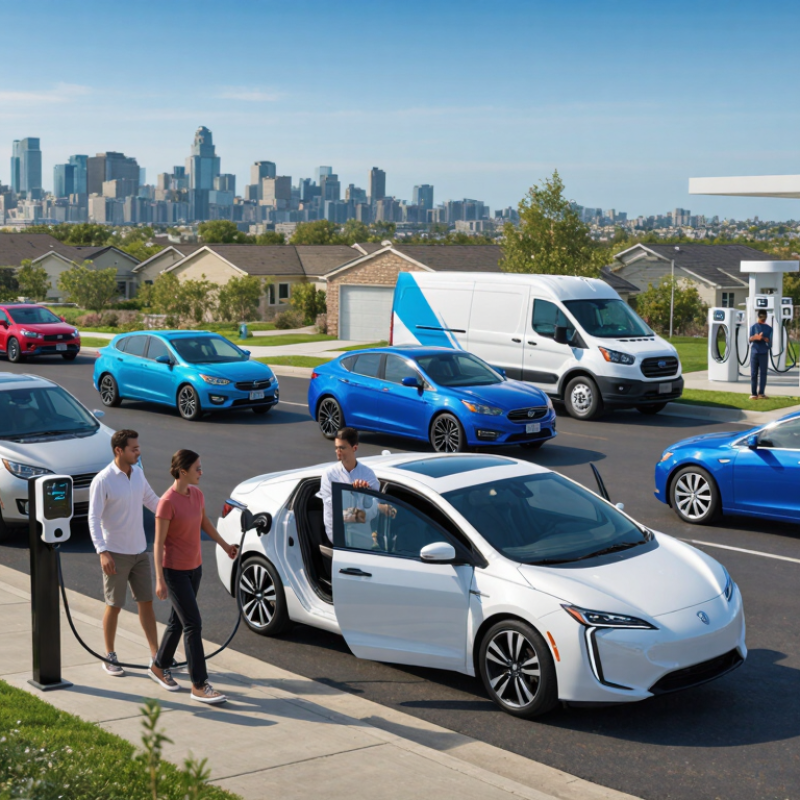
Why Are EV Cars So Popular Worldwide?

What Electric Vehicles Are and How They Work

An electric vehicle, or EV, uses electricity stored in a rechargeable battery to turn an electric motor. The battery usually sits beneath the floor, giving the car a low center of gravity. When the driver presses the accelerator, power flows through control electronics to the motor, which turns the wheels. The response can feel smooth and immediate. There is no tailpipe.

The battery needs to be recharged from an external power source. With home or public AC charging, the car’s onboard charger converts alternating current into the direct current the battery stores. DC fast chargers send direct current to the battery more directly, which can shorten charging stops. Actual charging speed varies with the vehicle, charger, battery temperature, and charge level. A dashboard estimate is useful, but it is not a promise.

Many EVs also recover some energy when slowing down. Regenerative braking uses the motor as a generator, sending part of that energy back to the battery. It cannot recover everything. EVs have no tailpipe emissions while driving, but electricity generation and battery production still matter to their overall footprint. That detail is easy to overlook. Understanding how an EV works means looking beyond the quiet motor and asking where its electricity comes from.

How Advances in Battery Technology Have Improved EVs

Why Are EV Cars So Popular Worldwide?

How Advances in Battery Technology Have Improved EVs

Battery progress has made electric cars more practical for everyday travel. In its Global EV Outlook 2024, the International Energy Agency reported that electric-car battery demand reached about 750 gigawatt-hours in 2023, up roughly 40% from 2022. The agency also noted that battery prices fell 14% that year. Lower costs can help make longer-range models more affordable, though savings do not reach every buyer equally.

Chemistry and pack design matter, too. Lithium iron phosphate batteries can reduce reliance on some costly minerals, while other chemistries may offer higher energy density. Better battery management systems monitor cell temperatures and charge levels. That matters daily. Drivers may see steadier performance and spend less time worrying about range. Yet cold mornings can still reduce usable range, and rapid charging depends on the vehicle, charger, and temperature.

The improvements are real, but not magic. The IEA notes that battery supply chains and mineral processing remain concentrated, while demand continues to grow. More efficient cells, durable pack structures, and improved recycling could ease pressure over time. Recycling is still developing. For drivers, the clearest gains are tangible: a quieter commute, fewer charging stops on some routes, and more choice in vehicle range and price.

Why Drivers Around the World Are Choosing Electric Cars

Drivers worldwide are choosing electric cars for lower running costs, quiet cabins, and convenient home charging. The International Energy Agency’s Global EV Outlook 2024 reports nearly 14 million electric cars were sold in 2023, about 18% of global car sales. It projected sales would reach around 17 million in 2024, or more than one in five new cars. That growth reflects expanding choice, but popularity is not the same as suitability for every driver.

For many commuters, charging overnight means starting the day with a full battery. In stop-and-go traffic, electric motors also deliver smooth, immediate acceleration. Yet daily convenience depends on where people live. Drivers without home charging may need to plan around public chargers, and busy stations can add friction. Cold weather, long journeys, and charging access still matter. I used to think range was the main concern; for some drivers, the real question is simply where the car can charge.

Tips: Check charging options near home and work before choosing. Compare your usual weekly distance with the car’s real-world range, not just its advertised figure. A little planning helps. Still, no estimate fits every routine.

How Policies and Charging Networks Encourage EV Adoption

Government policy and charging access often turn interest in electric vehicles into a practical choice. Purchase incentives can reduce the upfront price, while emissions standards encourage automakers to offer more electric models. Public funding also helps install chargers where private investment may be slow, such as apartment blocks and rural roads. The International Energy Agency reports that global electric-car sales reached nearly 14 million in 2023, around 18% of all car sales. Policy is part of that shift, though its effect varies by country and changes when incentives end.

Charging networks matter in daily routines. The IEA’s Global EV Outlook 2024 counted more than four million public charging points worldwide in 2023, about 40% more than the year before. A charger near a grocery store or on a highway rest stop can make a trip feel manageable. Fast chargers are especially useful when drivers cannot charge at home. Still, a map full of pins does not guarantee a working plug. Not everywhere, though.

Reliable rollout means placing chargers where people actually park, and maintaining them when equipment fails. This is harder than announcing installation targets. Policies can set common technical standards and require clear pricing, but local grid capacity and permitting can slow construction. The numbers are encouraging, yet they do not capture queues, broken chargers, or the driver who has no driveway. That gap deserves more attention.

Why Are EVs So Popular Worldwide?

Electric cars rose from about 2.5% of global new-car sales in 2019 to about 18% in 2023. Purchase incentives, emissions regulations, and investment in public charging have helped make EVs more accessible and practical. The chart shows adoption growth; it does not attribute that growth to any single factor.

Source: International Energy Agency (IEA), Global EV Outlook. Figures are approximate.

What Costs and Challenges Affect EV Adoption Worldwide

Electric cars are popular because they can reduce tailpipe pollution and offer quiet, responsive driving. Yet adoption depends on more than the vehicle’s sticker price. Buyers may also pay for a home charger, electrical upgrades, or public charging sessions. In apartment buildings, installing a charger can be difficult. Charging access varies widely between cities and rural areas. That matters. Cold weather can reduce driving range, while heavy use may affect battery performance over time. Repair costs and resale values can also feel uncertain, especially in newer markets.

Tips: Check charging options near home and work. Compare total ownership costs, not just purchase prices. Leave room for real-world range changes.

The cost comparison is not always neat. Electricity prices, local incentives, insurance, and maintenance differ by region. Some drivers can charge overnight at home; others depend on busy public stations and wait longer than expected. A longer trip may require planning around charger locations, adding time to the journey. It is easy to focus on the car’s advertised range and overlook these daily details. Better charging networks and clearer battery-health information could ease concerns, but progress is uneven. EVs suit many routines, not every routine. A careful buyer should assess their own commute, parking, climate, and budget before deciding.

FAQS

How does an electric vehicle move?

A rechargeable battery sends power through control electronics to an electric motor. The motor turns the wheels. The response can feel smooth and immediate.

Where is the battery usually located?

It often sits beneath the floor. This gives the vehicle a low center of gravity.

What is the difference between AC and DC charging?

With AC charging, the vehicle’s onboard charger converts electricity for the battery. DC fast charging sends direct current to the battery more directly. Charging speed still varies.

Does regenerative braking fully recharge the battery?

No. It recovers some energy while the vehicle slows down. It cannot recover everything.

Do electric vehicles produce no emissions at all?

They have no tailpipe emissions while driving. Electricity generation and battery production still affect their overall footprint. That detail is easy to miss.

Have battery improvements made electric cars more practical?

Better cells and battery management can support steadier performance and more choice in range. Some battery chemistries also use fewer costly minerals. Cold mornings can still reduce usable range.

Why do some drivers find electric cars convenient?

Home charging can let drivers start the day with a charged battery. Quiet cabins and smooth acceleration also appeal to some commuters. Not everyone has home charging.

What should drivers check before choosing an electric car?

Check chargers near home and work. Compare your usual weekly distance with real-world range, not just the advertised figure. I’d still check twice.

Conclusion

Electric vehicles, often called EVs, use electric motors powered by rechargeable batteries rather than relying solely on conventional fuel engines. Improvements in battery design have helped increase driving range, shorten charging times, and make electric cars more practical for everyday trips. These changes have made an Ev Car an appealing option for drivers seeking quieter travel and lower emissions during use.

People worldwide are choosing electric cars for their potential long-term savings, smooth performance, and reduced impact on local air quality. Public policies, incentives, and expanding charging networks can also make switching easier by helping with purchase costs and providing more places to recharge. However, adoption still faces challenges, including vehicle prices, access to convenient charging, and differences in electricity supply and infrastructure. As technology and networks continue to develop, electric vehicles may become a more accessible choice for a wider range of drivers.

Sienna

Sienna

Sienna is a skilled marketing professional with a deep expertise in our company’s core products and services. With a passion for innovation and detail, she plays a pivotal role in crafting insightful blog posts that not only highlight the unique features of our offerings but also provide valuable......